
Working in noisy environments exposes workers to continuous and impulsive sound levels that can gradually and irreversibly damage hearing. In factories, construction sites, airports, or shooting ranges, noise is not just an inconvenience—it is a long-term occupational hazard. Prolonged exposure to excessive noise can lead to permanent hearing loss, tinnitus, reduced concentration, and even increased accident risk due to impaired communication. These consequences directly affect productivity, safety compliance, and quality of life. Safety electronic earmuffs offer a proven solution by combining certified hearing protection with intelligent sound processing, allowing users to stay protected while maintaining clear communication and situational awareness. This article explores how safety electronic earmuffs work and why they are essential for modern industrial and professional applications.
What Is an Electronic Safety Hearing Protector?
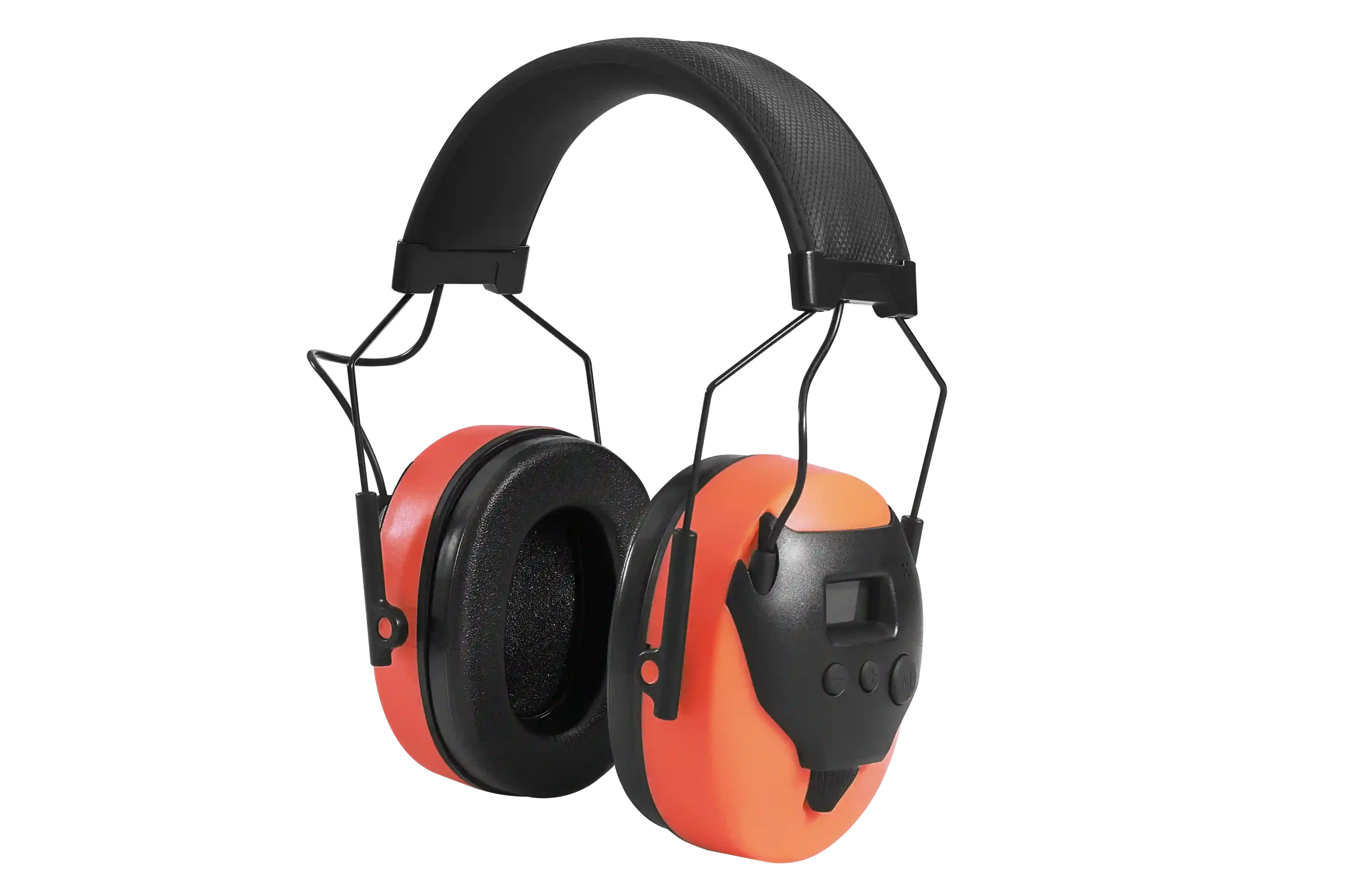
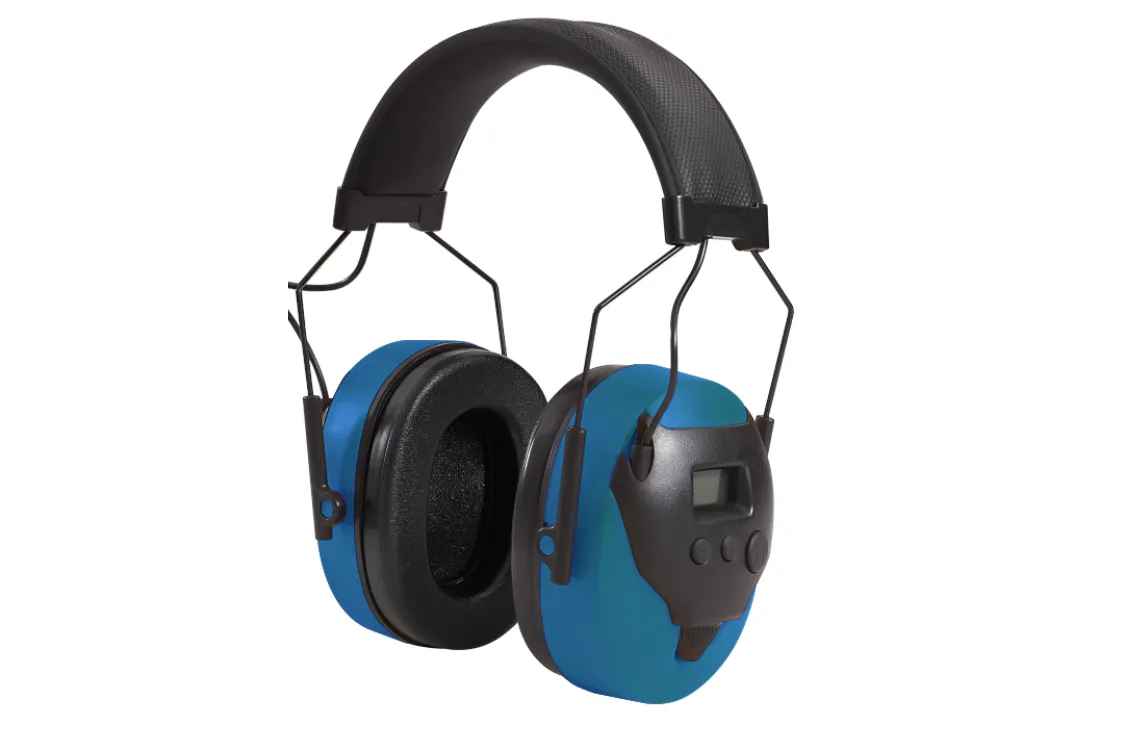
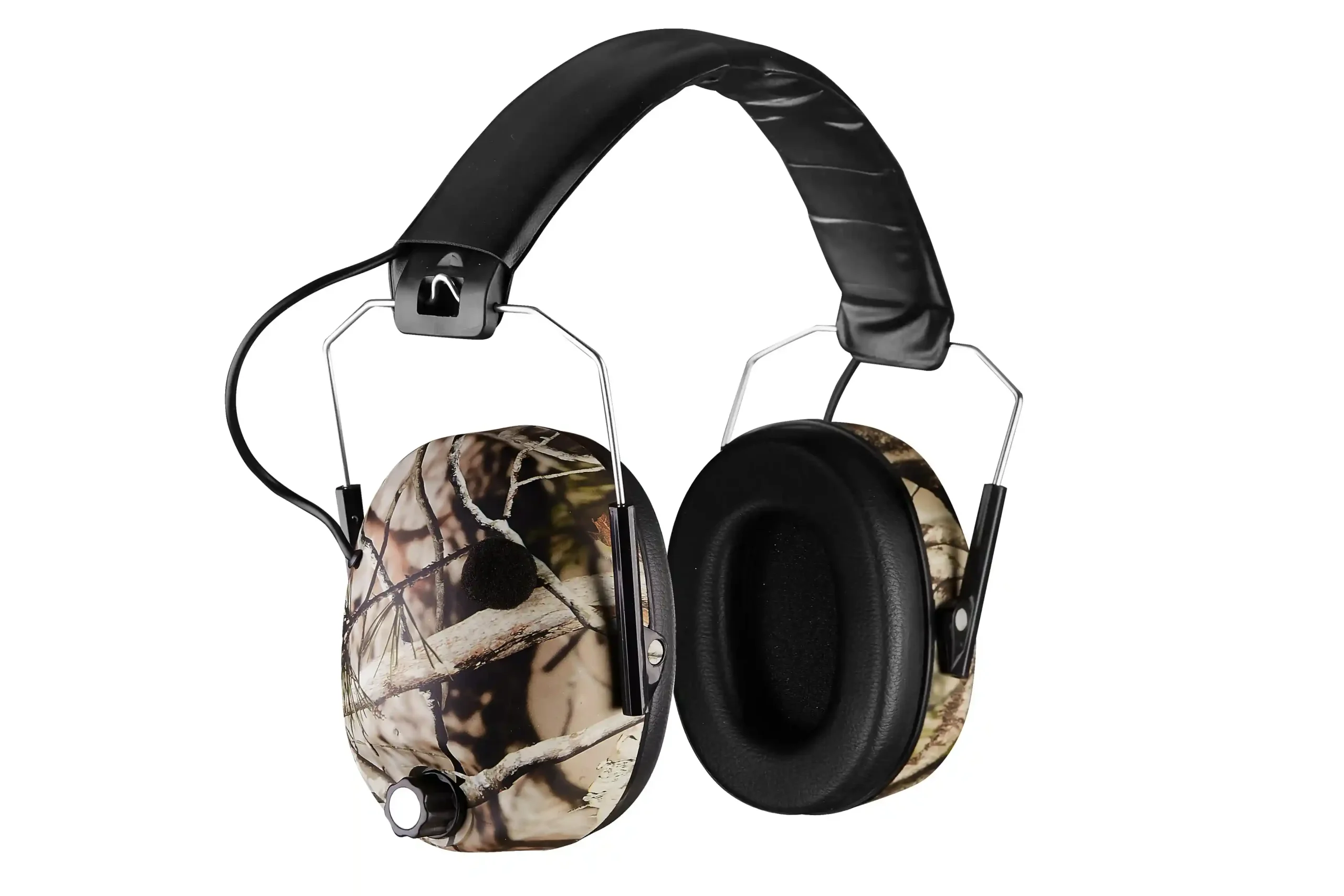
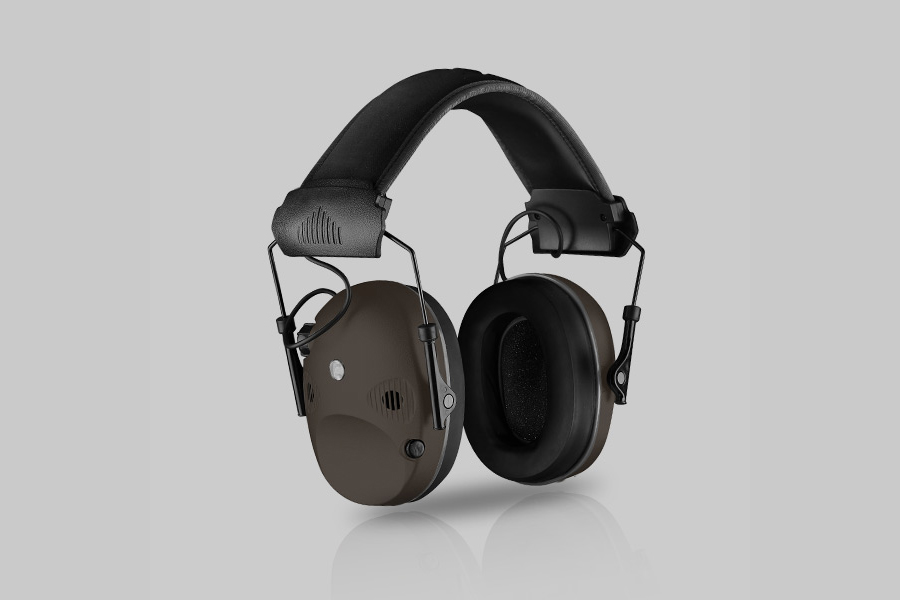
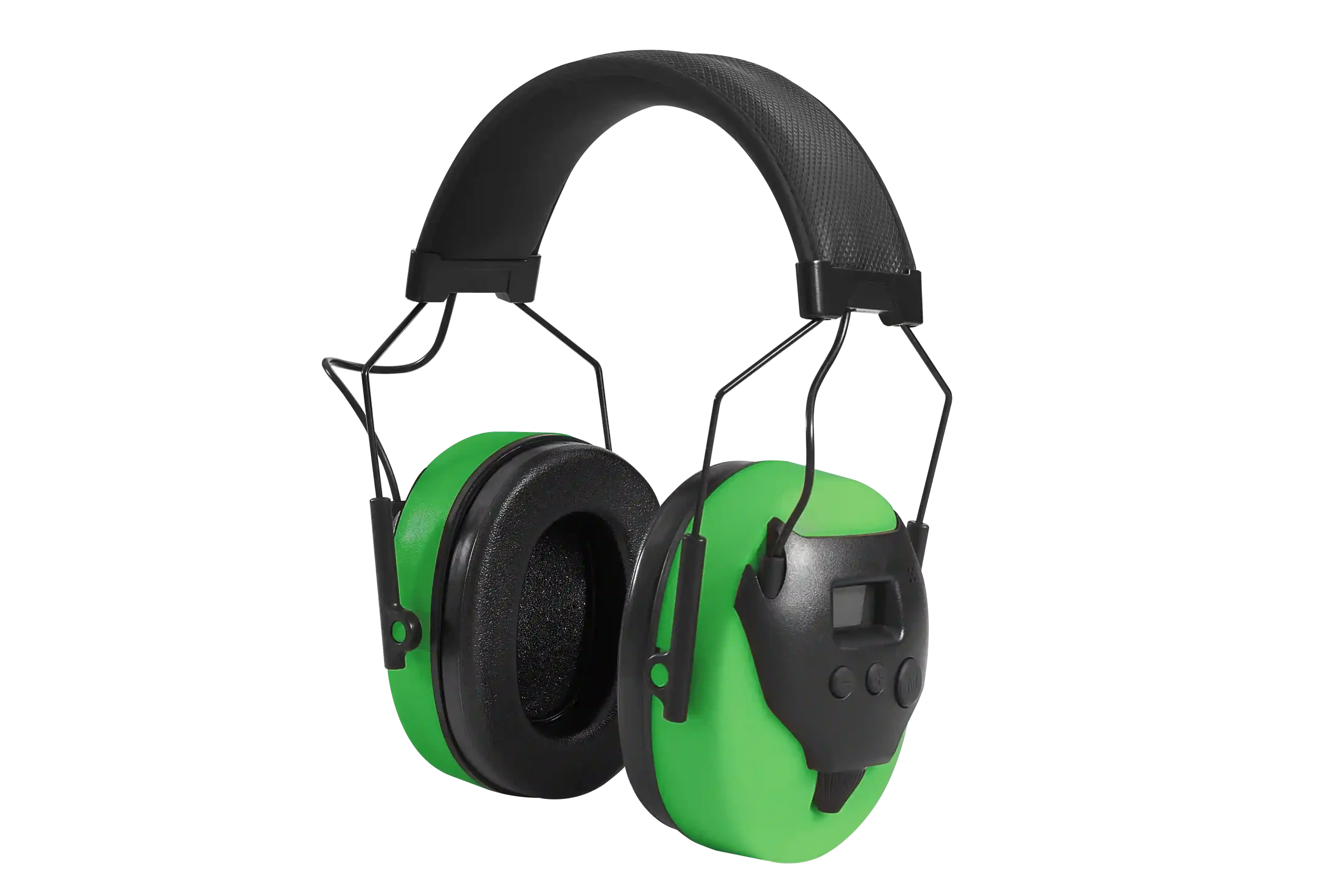
An electronic safety hearing protector is a certified hearing protection device that integrates passive noise attenuation with electronic sound amplification and limiting technology. It reduces harmful noise exposure while selectively enhancing safe environmental sounds, such as speech and warning signals. Designed for industrial, shooting, and professional use, electronic earmuffs automatically adapt to changing noise conditions, ensuring hearing safety without isolating the wearer from their surroundings.
Why Understanding Electronic Hearing Protection Matters
For buyers and safety managers, understanding how electronic hearing protection functions is critical to selecting the right solution for compliance, productivity, and worker well-being.
How Do Safety Electronic Earmuffs Monitor and Analyze Environmental Noise?
Safety electronic earmuffs are equipped with intelligent chips and external microphones that continuously monitor environmental sound levels and frequency ranges. These systems analyze both sound pressure and spectral composition in real time, allowing the earmuff to distinguish between normal background noise and potentially harmful sounds. By processing audio data within milliseconds, the chipset determines whether amplification or suppression is required. Directional microphones focus on forward-facing sound sources, prioritizing human speech frequencies typically between 300 Hz and 3 kHz. This continuous monitoring enables the earmuff to react dynamically, ensuring that users receive enhanced communication in low-noise conditions and immediate protection in high-noise environments. The result is a responsive hearing protection system that adapts seamlessly to changing workplace conditions.
What Is Communication Enhancement Mode and How Does It Improve Safety?
In environments where ambient noise remains below approximately 85 dB, electronic earmuffs operate in communication enhancement mode. During this phase, external microphones capture surrounding sounds and selectively amplify speech frequencies. Intelligent filtering reduces unwanted low-frequency noise, such as wind or machinery hum, while preserving clarity and natural sound quality. The processed audio is delivered to the user’s ears with minimal latency, preventing echo or distortion. This functionality allows workers to communicate clearly, hear warning signals, and maintain situational awareness without removing their hearing protection. By improving verbal coordination and environmental perception, communication enhancement mode directly contributes to safer and more efficient operations.
How Do Electronic Earmuffs Instantly Protect Against Dangerous Noise?
When environmental noise exceeds safe thresholds, particularly above 85 dB, electronic earmuffs immediately switch to protection mode. This transition occurs automatically and without user intervention. The system’s response time is typically under five milliseconds, which is critical for preventing damage from impulse noise such as gunshots or metal impacts. The electronic limiter rapidly reduces or cuts off amplified input, ensuring that sound pressure levels reaching the ear remain within safe limits. In some designs, a masking or neutral sound may be introduced to reduce residual noise perception. This instant reaction protects hearing while maintaining overall comfort and usability.
What Role Does Passive Noise Reduction Play in Electronic Earmuffs?
Passive noise reduction forms the foundation of electronic hearing protection. High-quality earcup shells, sealing cushions, and internal sound-absorbing materials provide consistent physical attenuation, typically reducing noise levels by 15 to 30 dB. This mechanical barrier functions independently of electronics, ensuring reliable protection even if batteries are depleted. Passive attenuation is especially effective against mid- and high-frequency noise and serves as the first line of defense in hazardous environments. For industrial buyers, robust passive construction is a key indicator of durability and long-term performance.
How Does Active Noise Cancellation Enhance Low-Frequency Comfort?
Active Noise Cancellation (ANC) is particularly effective against continuous low-frequency noise, such as engine rumble or heavy machinery operation. Electronic earmuffs equipped with ANC generate inverse sound waves that counteract incoming low-frequency noise before it reaches the ear. While ANC is not designed to handle sudden impulse noise, it significantly improves comfort during extended wear by reducing fatigue caused by constant background noise. This feature is especially valuable in industrial settings where workers are exposed to steady noise for long shifts.
Why Is Electronic Limiting Critical for Impulse Noise Protection?
Impulse noise, including gunfire, explosions, or sudden metal impacts, presents the greatest risk to hearing due to its high intensity and short duration. Electronic limiting technology is specifically designed to address this challenge. When a sudden spike in sound pressure is detected, the limiter instantly clamps the audio output to a safe level. This rapid response prevents dangerous sound peaks from reaching the ear while allowing normal sound amplification to resume immediately afterward. Electronic limiting is a defining feature of professional-grade electronic earmuffs used in shooting sports, military, and industrial applications.
What Are the Key Performance Indicators of Safety Electronic Earmuffs?
Several measurable performance indicators determine the effectiveness of electronic earmuffs. Response time is critical, with industry-leading products reacting within milliseconds. Noise Reduction Rating (NRR) or Single Number Rating (SNR) quantifies overall attenuation performance and ensures regulatory compliance. Speech clarity is equally important, as poor processing can introduce distortion or delay. Comfort factors, including weight distribution, headband pressure, and ear cushion materials, influence long-term wearability. Battery life and power efficiency determine operational reliability in demanding work environments.
Where Are Safety Electronic Earmuffs Commonly Used?
Safety electronic earmuffs are widely used across industrial, commercial, and professional sectors. In manufacturing plants and workshops, they allow workers to communicate while remaining protected from machinery noise. Airport ground crews rely on electronic earmuffs to hear instructions amid engine noise. In shooting sports and hunting, users benefit from amplified environmental sounds and instant gunshot suppression. Military and law enforcement units use electronic hearing protection for tactical communication and situational awareness. Forestry, construction, and outdoor operations also benefit from adaptive hearing protection solutions.
How Do Electronic Earmuffs Support Regulatory Compliance?
Compliance with international hearing protection standards is essential for industrial procurement. Certified electronic earmuffs meet ANSI and CE requirements, providing documented assurance of performance and safety. These certifications simplify audits and ensure alignment with occupational health regulations. For distributors and corporate buyers, certification transparency reduces risk and supports long-term supplier partnerships.
Why Are Electronic Earmuffs a Strategic Investment for Industrial Buyers?
Electronic earmuffs represent more than personal protective equipment; they are a strategic investment in workforce safety and productivity. By reducing hearing-related injuries, companies lower compensation claims and improve employee retention. Enhanced communication reduces errors and accidents, supporting operational efficiency. Factory-direct manufacturing and OEM customization options further allow buyers to align product design with brand and market requirements. For industrial distributors and large-scale purchasers, electronic earmuffs deliver measurable value across safety, compliance, and cost control.
Conclusion
Safety electronic earmuffs combine intelligent sound processing with certified hearing protection to address the complex challenges of noisy work environments. Through real-time monitoring, communication enhancement, and instant noise suppression, they protect hearing without compromising awareness. For industrial and professional applications, electronic earmuffs have become an essential component of modern safety strategies.
.webp)
.webp)
-scaled.webp)
 English
  Spanish
  Portuguese
  German
  French