
The Fatal Flaw of Omni-Directional Mono Pickup: Restoring Directional Perception in Hearing Protection
Losing directional awareness in loud environments is lethal. Mono pickup blurs sound sources, causing fatal delays. Our advanced stereo solutions restore spatial orientation, ensuring your safety and peak performance.
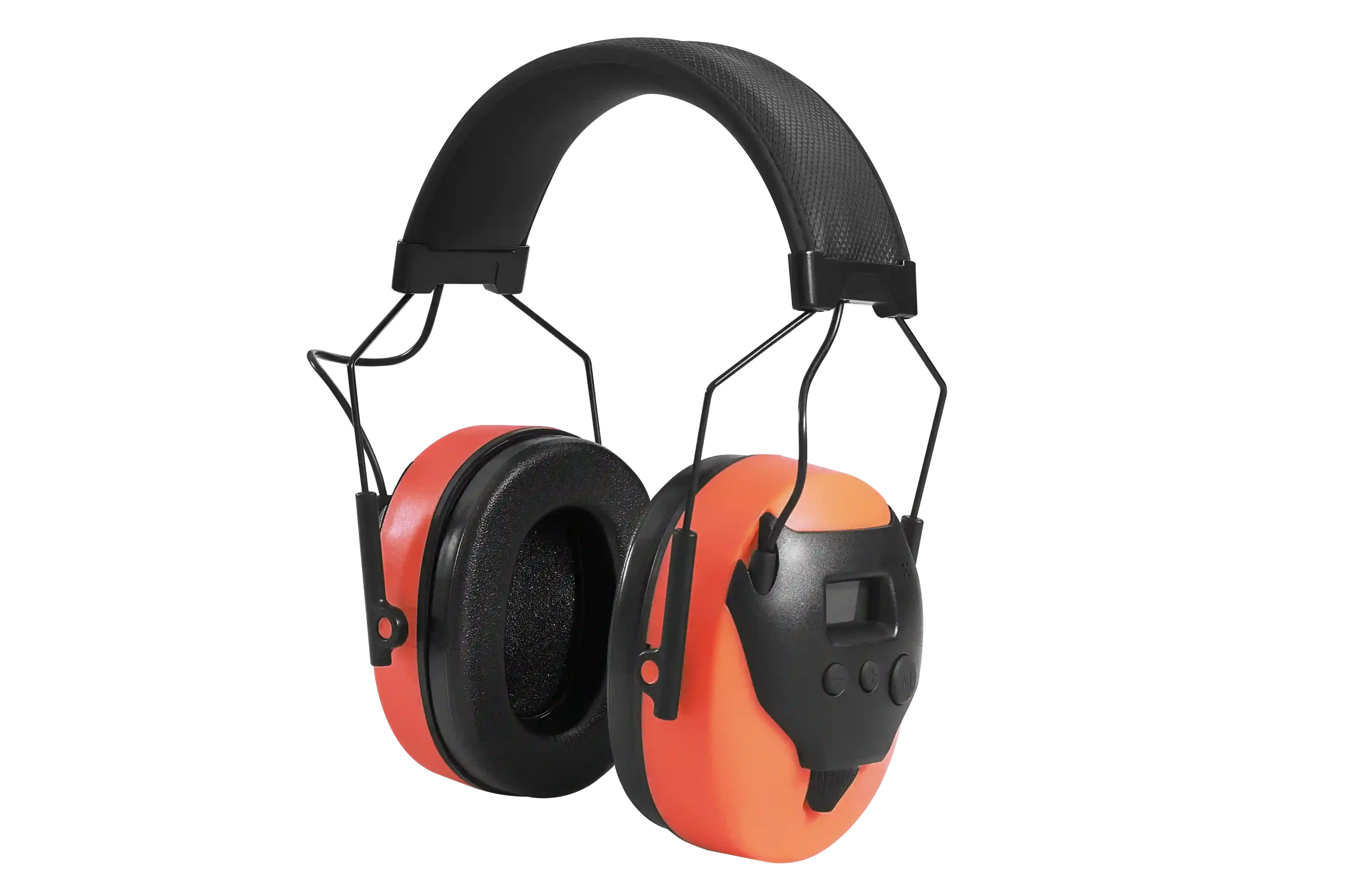
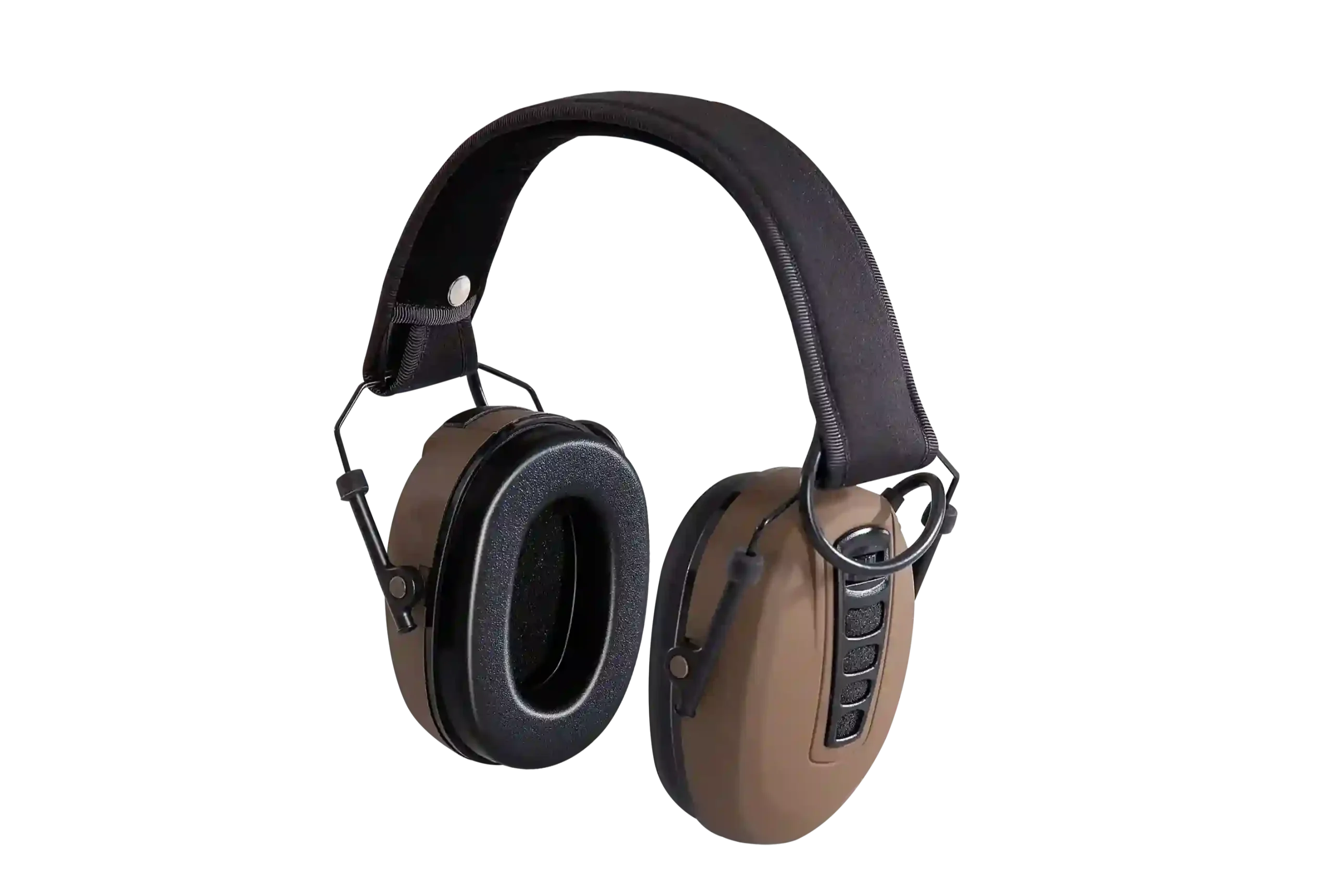
Lack of directional perception occurs when hearing protectors use omni-directional mono pickup, feeding identical audio to both ears. This removes the “interaural time and level differences” required for localization. To fix this, users need stereo sound bypass systems and dynamic tracking that mimic natural human hearing, allowing for precise identification of a sound’s origin.
Understanding the mechanics behind spatial audio is vital for safety. Let’s dive deep into why mono fails and stereo wins.
Difference between Mono and Stereo?
To understand why “flat” audio is a safety hazard, we must first look at the fundamental architecture of sound reproduction. Mono, or monaural sound, uses a single channel. Even if you have two speakers or two earcups, the signal sent to both is identical. In the context of a safety earmuff factory, producing mono-pickup headsets means the user hears the world as a two-dimensional wall of sound. There is no depth, no “leftness,” and no “rightness.” It is the acoustic equivalent of looking at the world through a single eye; you can see that objects exist, but you lose all sense of perspective and distance.
Stereo, or stereophonic sound, utilizes two independent channels to replicate the way human ears naturally receive information. Our brains are sophisticated biological computers that calculate the infinitesimal difference in the time it takes for a sound wave to reach the left ear versus the right ear—a concept known as Interaural Time Difference (ITD). Additionally, the “shadow” of our own head causes a sound to be slightly quieter in the ear facing away from the source, known as Interaural Level Difference (ILD). A high-quality hearing protector supplier ensures that their devices utilize dual-microphone arrays to preserve these ITDs and ILDs. When these cues are present, the brain can “map” the environment, allowing a worker to distinguish between a hum coming from a machine ten feet away and a warning shout from directly behind. Stereo isn’t just about “better” sound; it is about providing the brain with the data it needs to build a 3D model of the surrounding world.
Importance of timely identification of sound source?
In an industrial or tactical setting, sound is often the first indicator of a change in the environment. Before you see a forklift rounding a corner or a pressurized pipe beginning to hiss, you hear it. The ability to instantly localize that sound is not a luxury—it is a critical survival mechanism. If a worker is wearing a headset that collapses all environmental noise into a mono signal, their reaction time is severely compromised. Instead of instinctively turning toward a hazard, they must first stop, look around, and visually confirm the source of the noise. In high-stakes environments, those two or three seconds of hesitation can be the difference between a “near miss” and a catastrophic injury.
Furthermore, directional perception is essential for maintaining “Situational Awareness” (SA). When you can identify where sounds are coming from, your cognitive load is significantly reduced. The brain doesn’t have to work overtime to decode a confusing mess of overlapping audio. For any Bluetooth Hearing protector manufacturer, the goal is to create a product that feels “transparent.” When a user can hear the direction of a supervisor’s voice or the specific location of a malfunctioning motor, they remain calm and focused. Conversely, the “closed-in” feeling of mono pickup often leads to a sense of isolation and sensory deprivation, which can cause fatigue and decreased vigilance over an eight-hour shift. In short, knowing where the danger is matters just as much as knowing that the danger exists.
What is a Dynamic Speech Tracking System?
A Dynamic Speech Tracking System represents the cutting edge of Digital Signal Processing (DSP) in the hearing protection industry. Traditional passive earmuffs simply block all sound, while basic active earmuffs use a simple “gate” to clip loud noises. However, a dynamic tracking system is much smarter. It functions like an acoustic searchlight. Using multiple microphones, the system analyzes the incoming soundscape in real-time, identifying the specific frequencies and rhythmic patterns associated with human speech. Once an “authorized” sound—like a co-worker’s voice—is detected, the system “locks on” to that signal.
As a leading Bluetooth Hearing protector manufacturer, we integrate these systems to solve the problem of “speech-in-noise” environments. The system dynamically adjusts the gain and filtering for that specific voice while simultaneously suppressing steady-state background noises like the roar of a jet engine or the clatter of a conveyor belt. What makes it “dynamic” is its ability to follow the speaker. If the person talking to you moves from your left side to your right, the DSP algorithms adjust the output across the stereo channels to ensure the voice remains spatially accurate. This prevents the “disembodied voice” effect common in cheaper units. It ensures that communication remains fluid and natural, even when the ambient noise floor is dangerously high.
What is Stereo Communication?
Stereo communication is the integration of spatial audio into the actual transmission of data and voice. While traditional walkie-talkies or comms systems are almost exclusively mono, modern high-end hearing protection has moved toward a “3D Comms” model. This is particularly useful in multi-channel environments. Imagine a team lead who needs to monitor a local work crew on one frequency and a central dispatch on another. Through stereo communication, the headset can “place” the work crew in the left ear and the dispatch in the right ear. This spatial separation allows the human brain to process two different streams of information much more effectively than if they were mixed together in a single mono channel.
For a hearing protector supplier, offering stereo communication means providing a tool that enhances team coordination. It also applies to Bluetooth connectivity with smartphones or industrial tablets. When listening to a diagnostic app or a remote expert via a video call, stereo sound provides a more immersive and less fatiguing experience. It replicates the natural “cocktail party effect,” where we can focus on a single speaker in a crowded room because our ears can spatially filter out the surrounding chatter. By maintaining a true stereo path from the microphone of the sender to the speakers in the receiver’s earmuffs, the entire communication loop remains clear, directional, and intuitively easy to understand, even in the most chaotic acoustic landscapes.
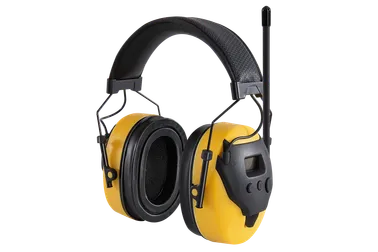
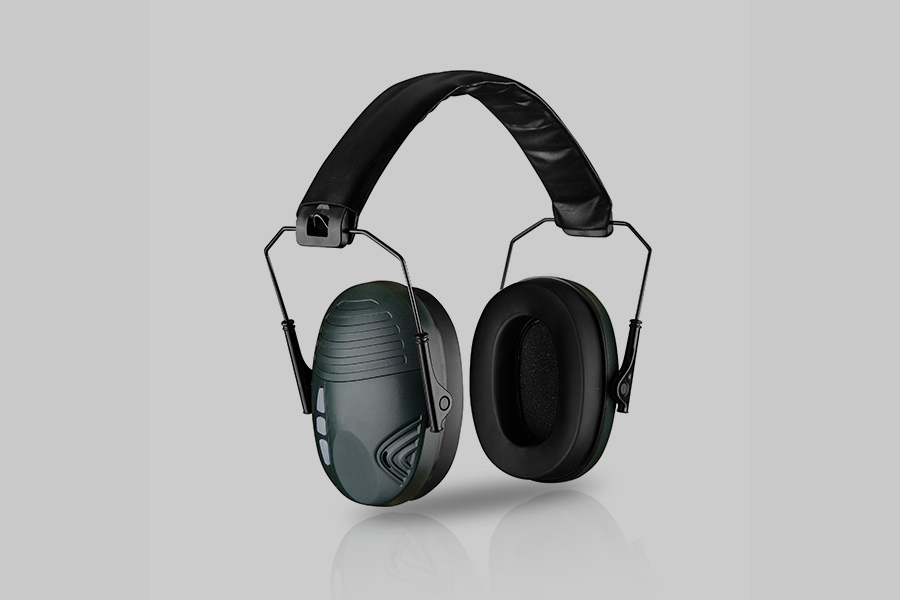
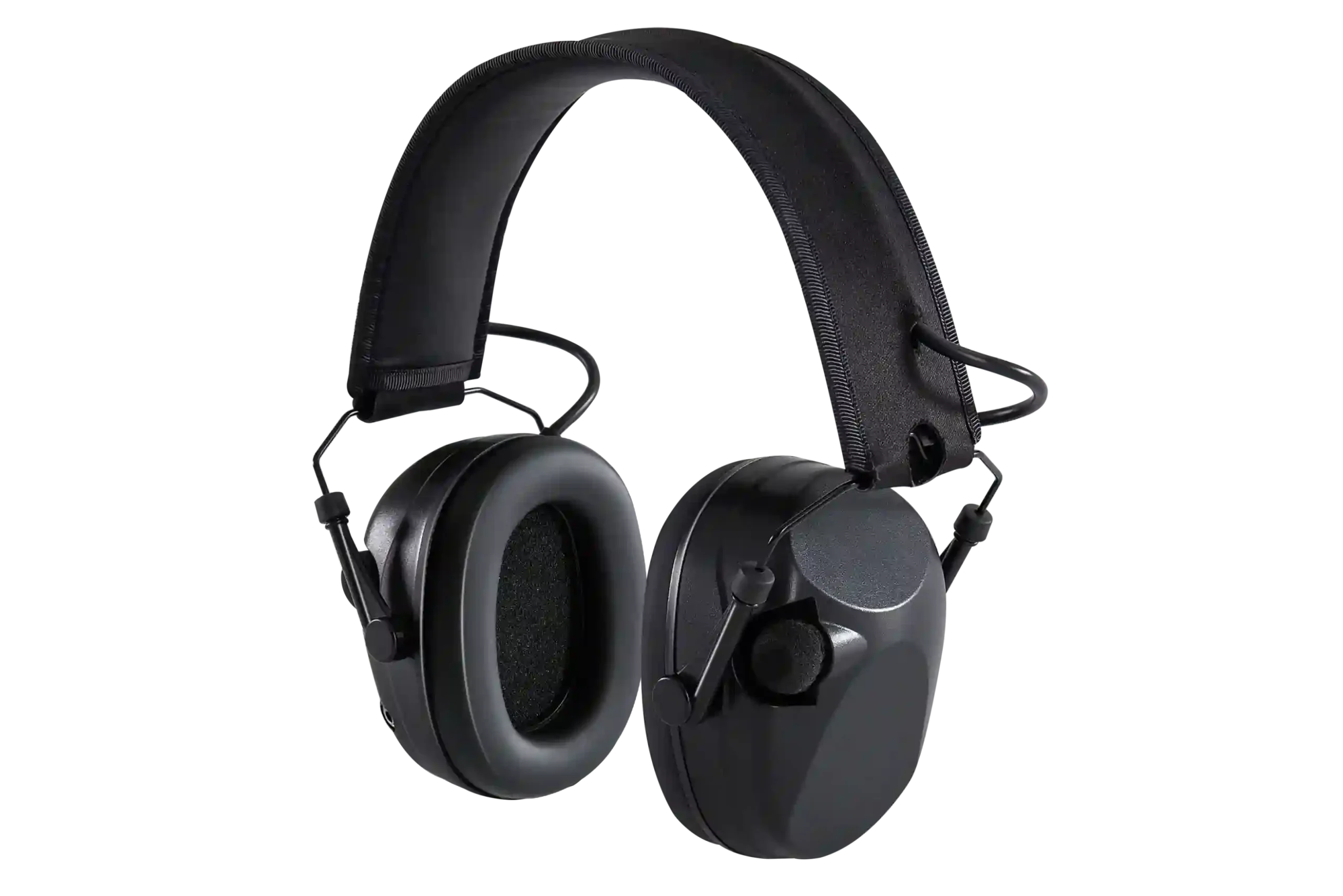
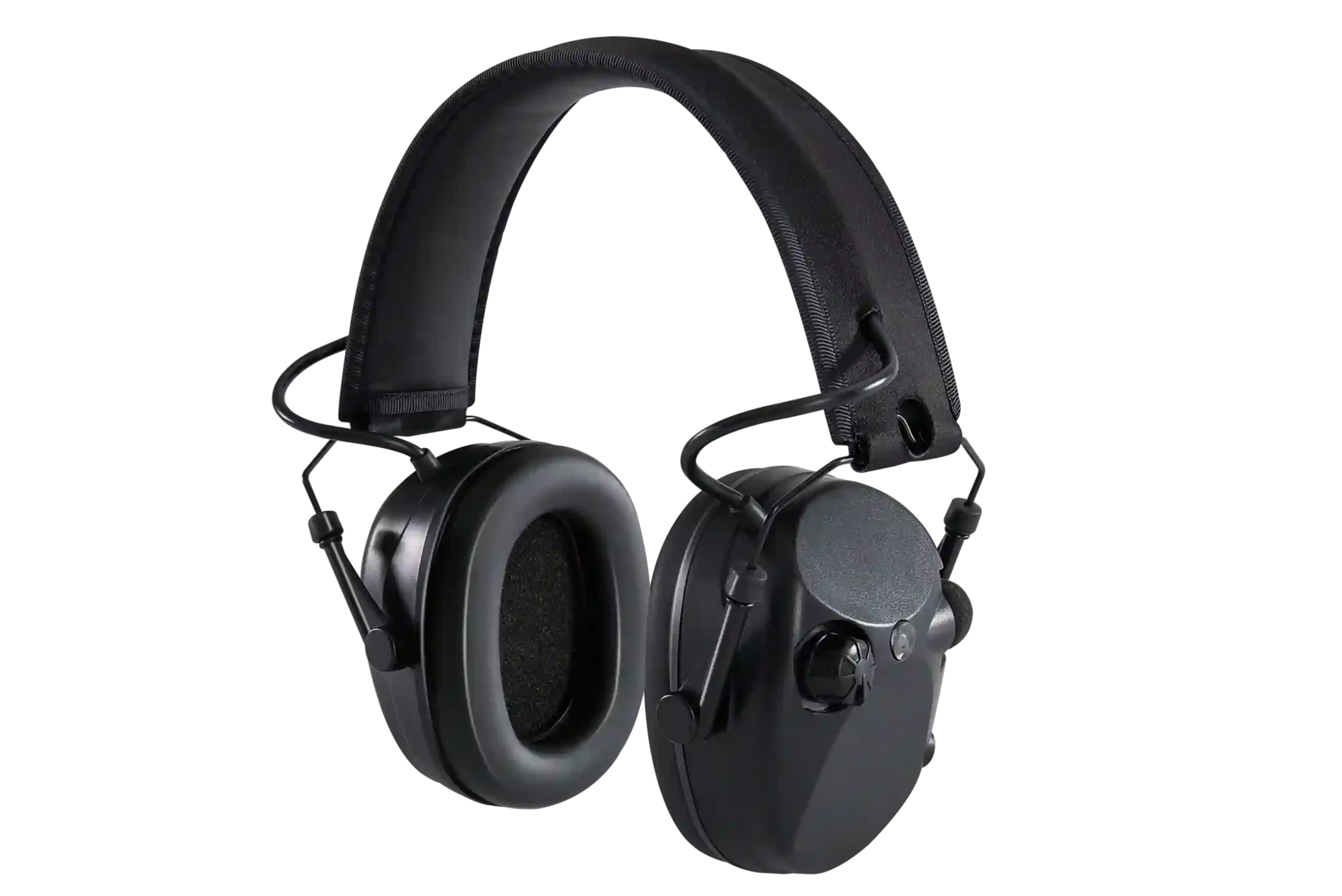
Switching to stereo-enabled tracking restores life-saving spatial awareness, bridging the gap between total protection and environmental clarity.
.webp)
 English
  Spanish
  Portuguese
  German
  French