
Passive Noise Cancellation: Is It Enough for Industrial or Shooting Hearing Protection?
This article evaluates whether passive noise cancellation is sufficient for hearing protection in industrial workplaces and shooting environments. It emphasizes why ordinary headphones fail to meet safety requirements, highlights the importance of ANSI/CE-certified earmuffs, and explains procurement priorities for industrial distributors, OEM buyers, and shooting-sports suppliers.
In many workplaces and high-noise recreation areas, hearing protection is essential to prevent long-term hearing damage. Industrial facilities, construction zones, and shooting ranges expose users to hazardous noise levels that ordinary consumer headphones are not designed to block. While passive noise-cancelling headphones may reduce background hum, they do not provide standardized or certified attenuation, making them unsuitable for regulated environments.
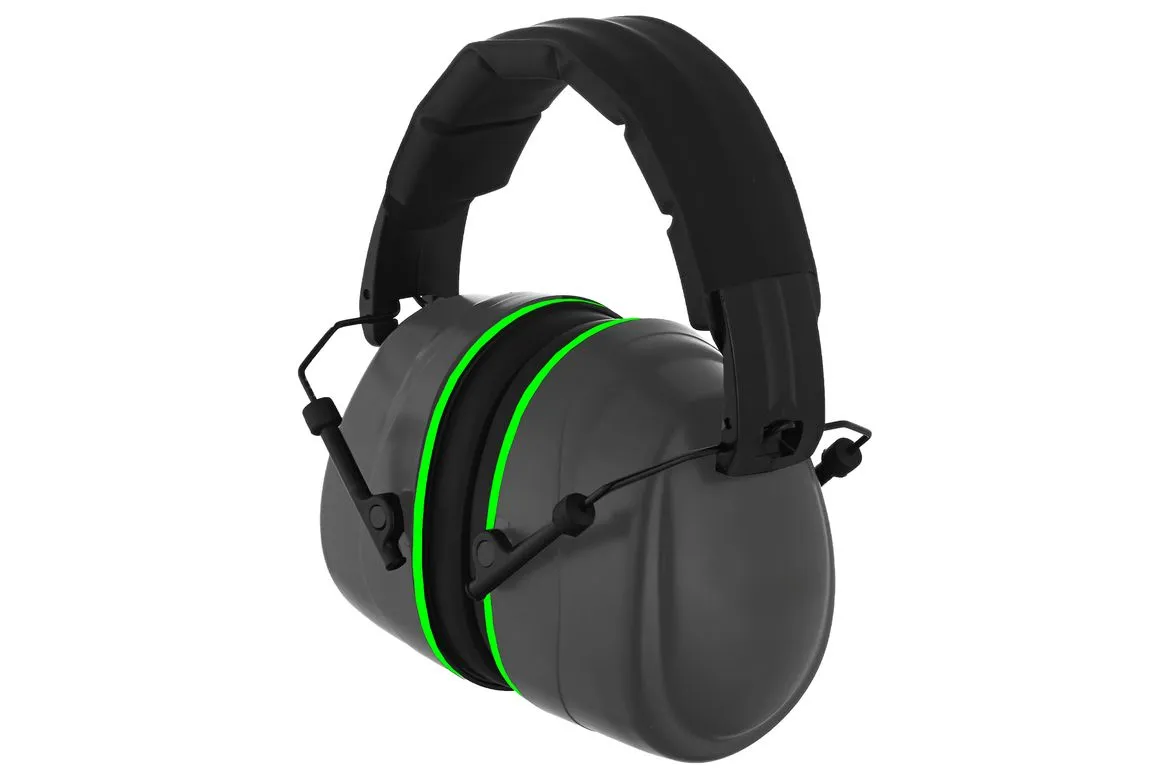
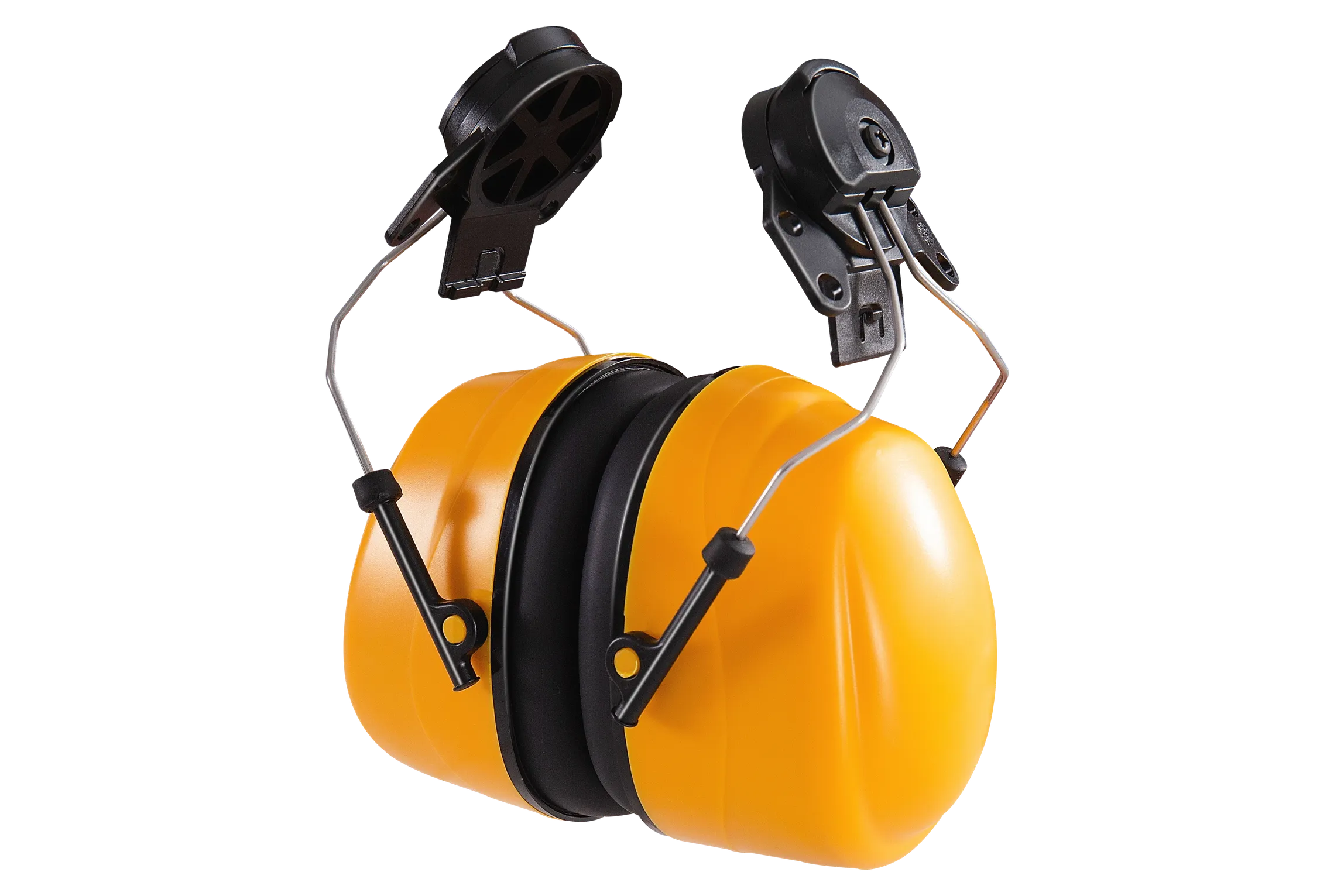
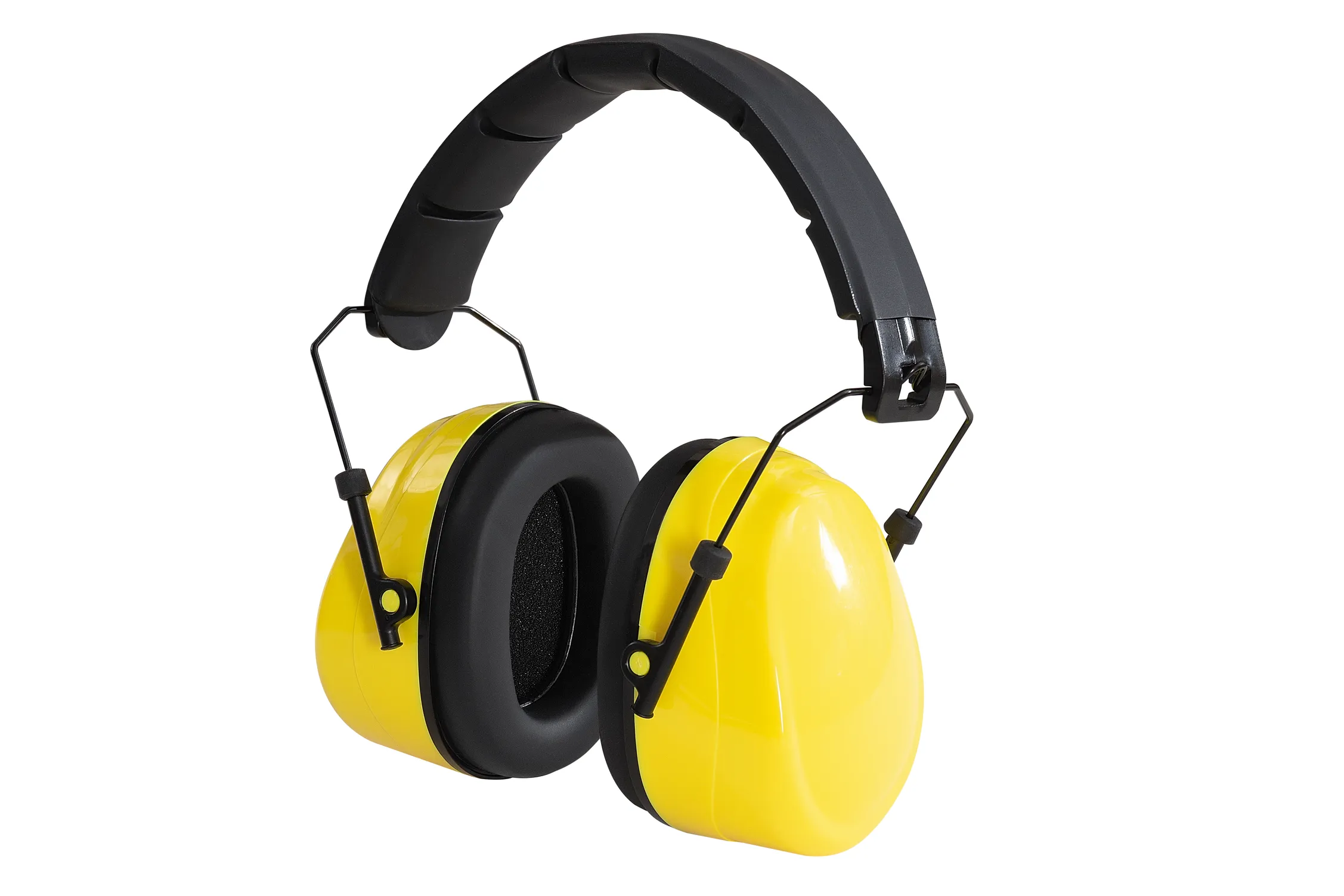
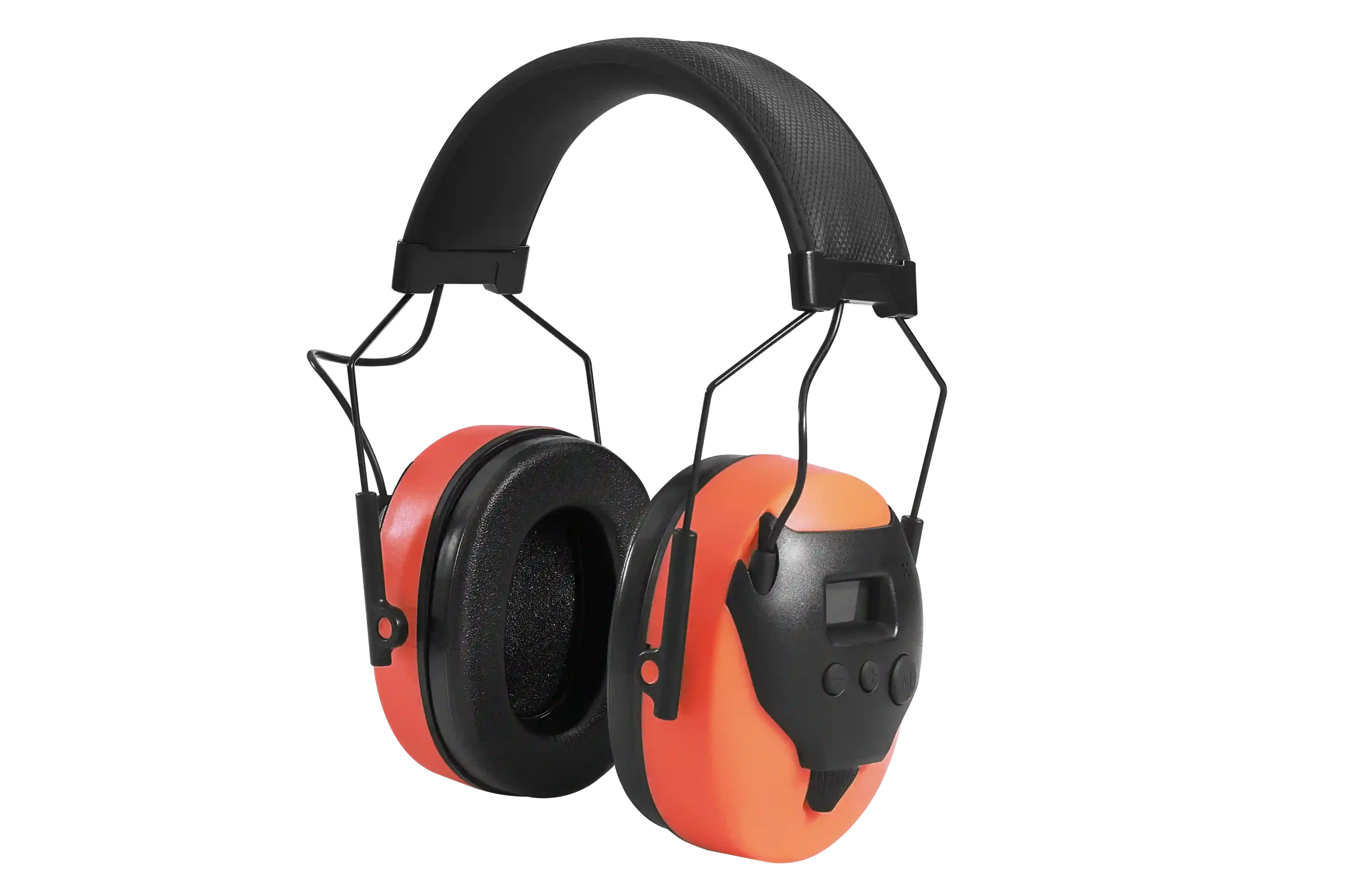
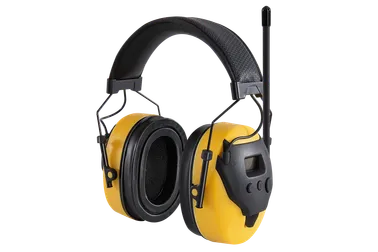
In professional industrial operations, ordinary passive headphones are generally insufficient. Safety managers and procurement teams require ANSI or CE certified hearing protectors that undergo verified testing to meet strict regulatory thresholds. Certified earmuffs provide reliable sealing, consistent attenuation, and documented compliance, while consumer headphones lack any verified safety performance. For industries with enforced noise-exposure limits, non-certified devices pose compliance risks and potential liability.
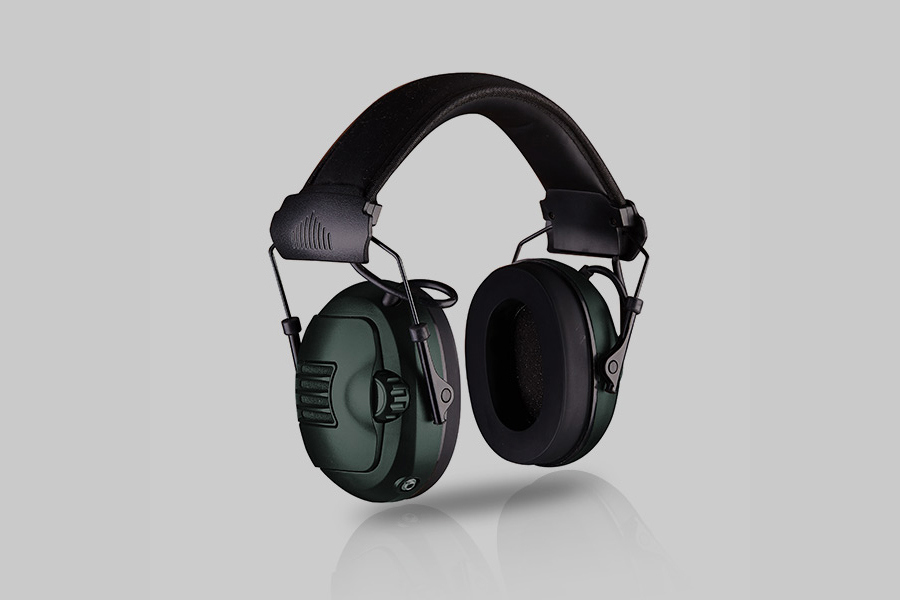
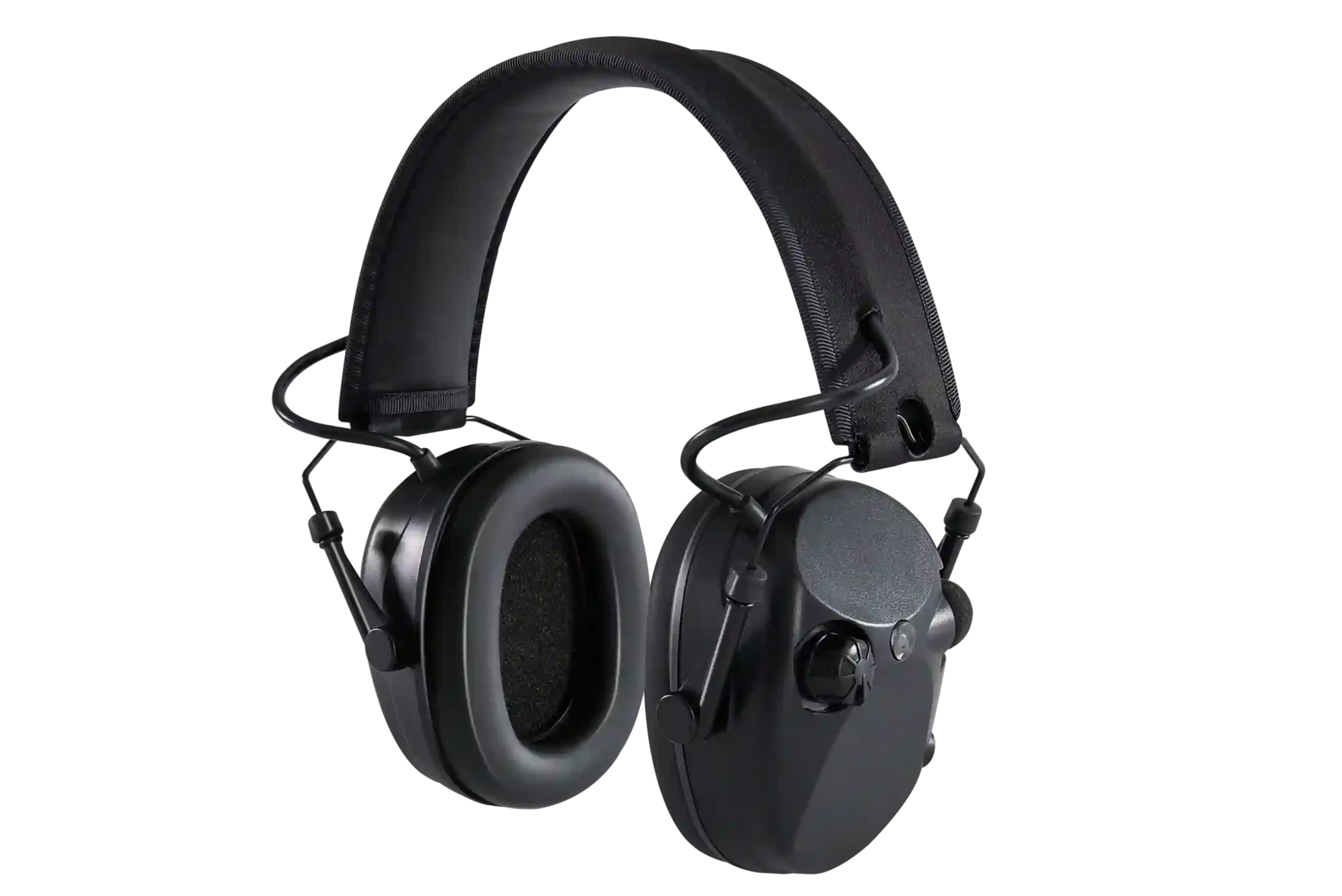
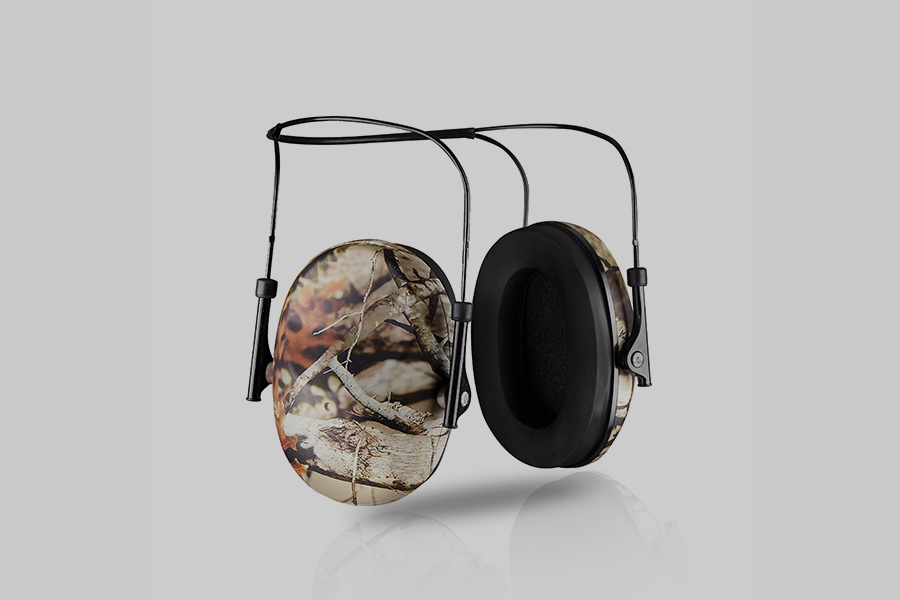
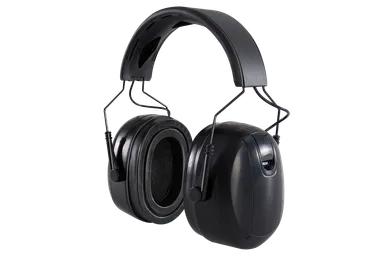
In shooting and hunting environments, the limitations of ordinary headphones are even more pronounced. Firearm impulse noise frequently exceeds 140 dB, far beyond what consumer headphones can manage. Purpose-built shooting earmuffs include reinforced cups, high-density acoustic foam, and secure sealing rings, ensuring effective protection even during consecutive shots. Their design specifically targets impulse noise reduction, an area in which passive consumer headphones perform poorly.
Professional manufacturers such as ONLYELE develop hearing protectors engineered specifically for industrial and shooting conditions. Their products follow strict certification protocols and are produced on dedicated manufacturing lines for consistent performance. Factory-direct production also enables OEM customization, private labeling, and bulk fulfillment, features not available with ordinary headphones. This aligns with the needs of large safety distributors, outdoor-sports buyers, and shooting-range suppliers across North America, Europe, and Australia.
From a procurement viewpoint, choosing ordinary passive headphones introduces substantial risks: regulatory non-compliance, unreliable protection, and lack of verifiable safety documentation. Certified passive or electronic earmuffs eliminate these concerns by offering validated attenuation and globally recognized certifications.
In conclusion, passive noise cancellation in ordinary headphones is not enough for industrial or shooting applications. Only certified, purpose-designed hearing protectors can meet regulatory standards, ensure dependable performance, and deliver safe, trustworthy hearing protection for professional buyers and global distributors.
.webp)
 English
  Spanish
  Portuguese
  German
  French