
Bought electronic earmuffs, but they still can’t block gunfire at the indoor range, causing hours of tinnitus after shooting.
Tinnitus after indoor shooting? Hearing damage is irreversible. You must choose devices that provide passive and active protection up to ANSI NRR 25dB–30dB.
Indoor range noise reduction often fails because of insufficient NRR ratings or seal leakage. The best solution is to use ANSI NRR 25dB–30dB equipment with CS cooling gel ear pads, combined with sound-activated compression technology and a 0.01–0.02 second rapid reaction time.
Want to completely reduce the risk of range noise damage? Dive into the following professional buying guide.
Suppliers Who Guarantee Mass Production Matches Test Samples
Before exploring specific technical parameters, the fundamental logic for solving the “deafening” problem is to find a reliable safety earmuff supplier that guarantees mass production matches the test samples.
Many inferior brands send specially modified engineering prototypes with extreme sealing treatments to laboratories for Noise Reduction Rating (NRR) certification. However, once these products enter mass production, manufacturing tolerances increase, assembly processes are simplified, or quality control standards decline.
As a result, the mass-produced earmuffs that consumers actually receive may differ significantly from the laboratory-tested versions in terms of:
sound-absorbing sponge density
shell thickness
circuit board assembly
This discrepancy can cause the advertised high noise reduction values to drop sharply in real high-pressure range environments.
A top-tier supplier must enforce rigorous ISO factory consistency inspections to ensure that every earmuff delivered to a shooter maintains an acoustic attenuation curve and physical sealing performance fully aligned with its certified model.
Insufficient Noise Reduction Protection: The Fatal Threat of Sound Wave Superposition Indoors
Indoor shooting ranges are relatively enclosed spaces. When large-caliber weapons are fired, sound waves bounce repeatedly between walls and ceilings, creating intense echoes and high-pressure sound wave superposition.
In this extreme environment, if your earmuffs fail to isolate the gunfire effectively, the result can be hours of tinnitus after shooting. Many shooters mistakenly believe that any tactical headset is enough, but ordinary noise-canceling earmuffs are not originally designed to handle the transient explosive sound of large-caliber firearms.
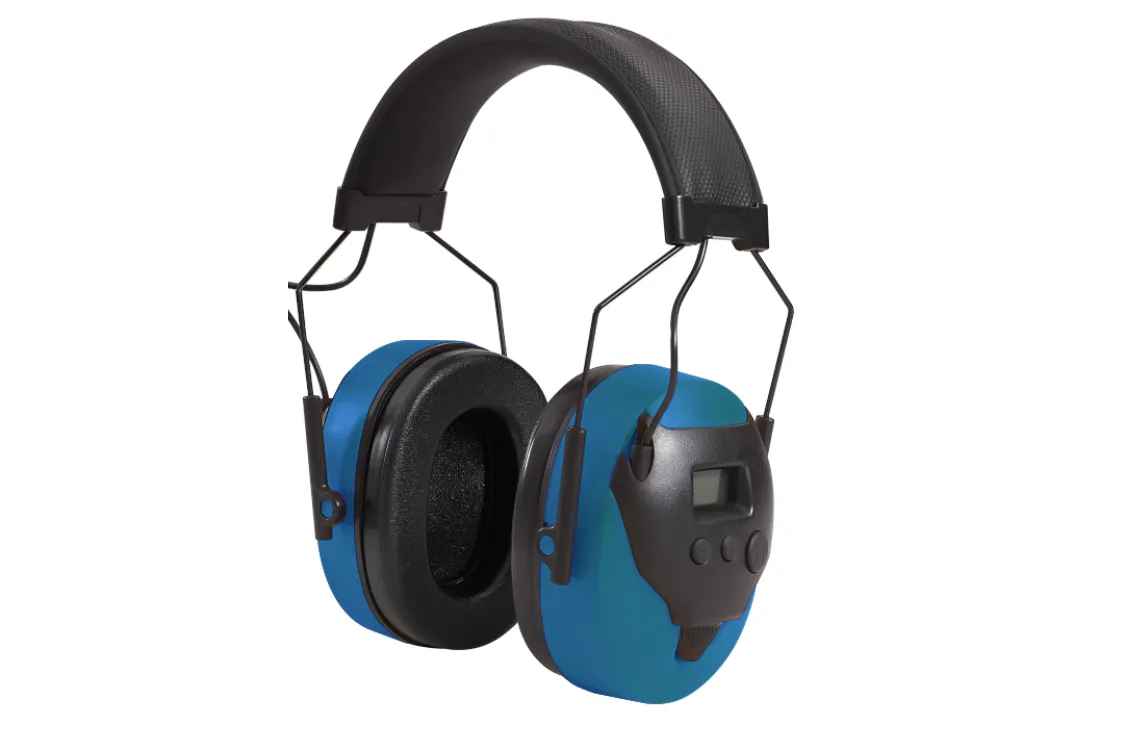
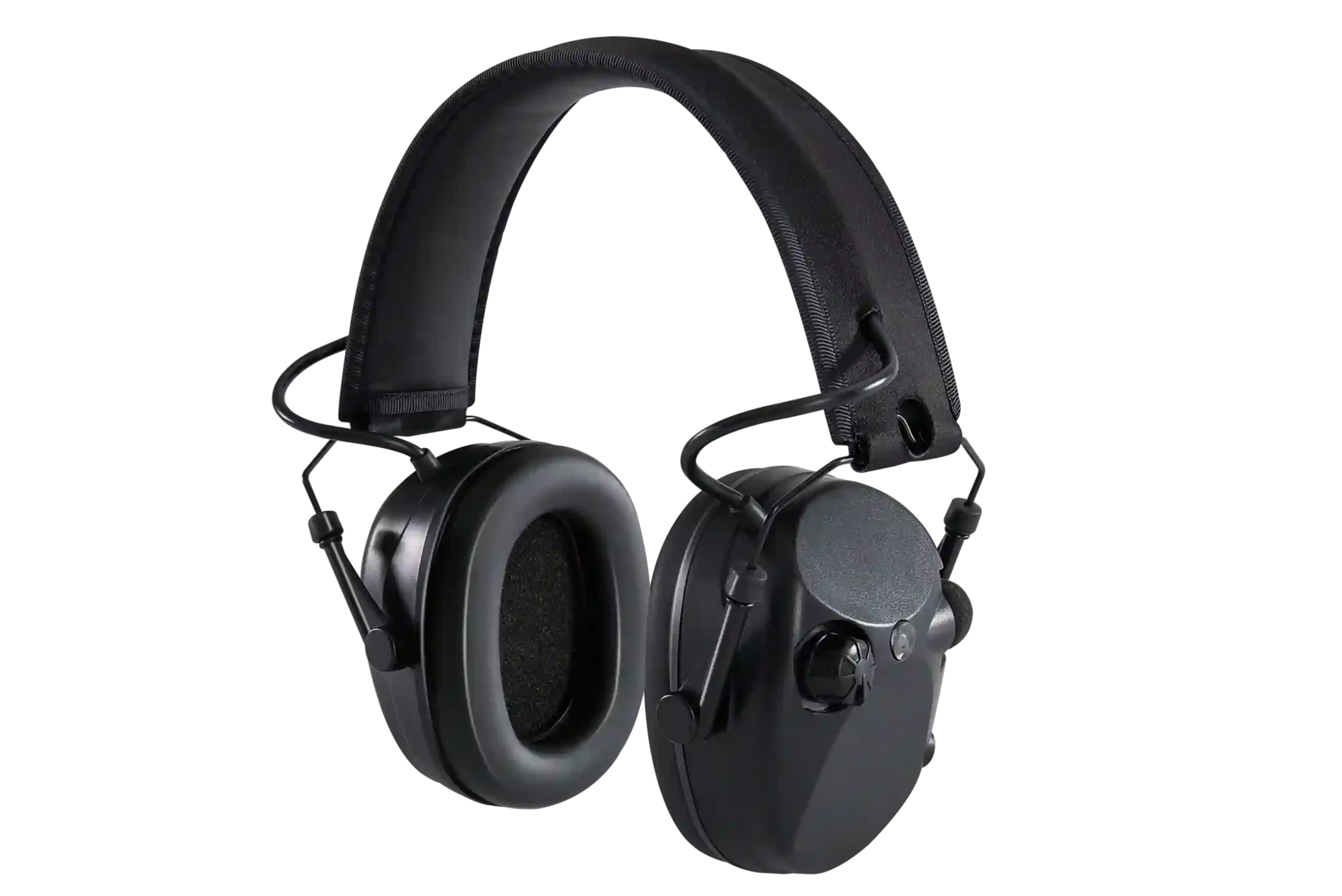
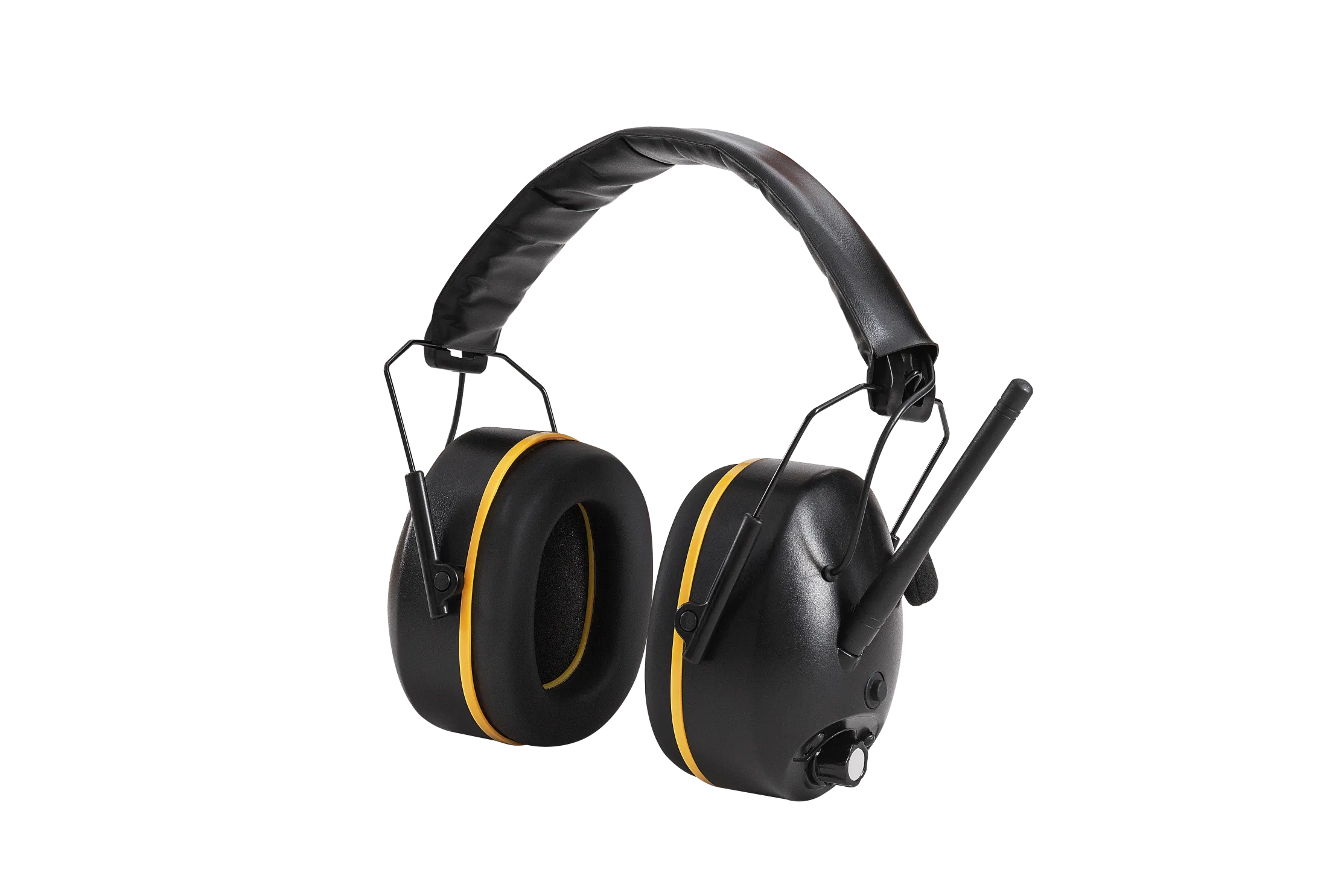
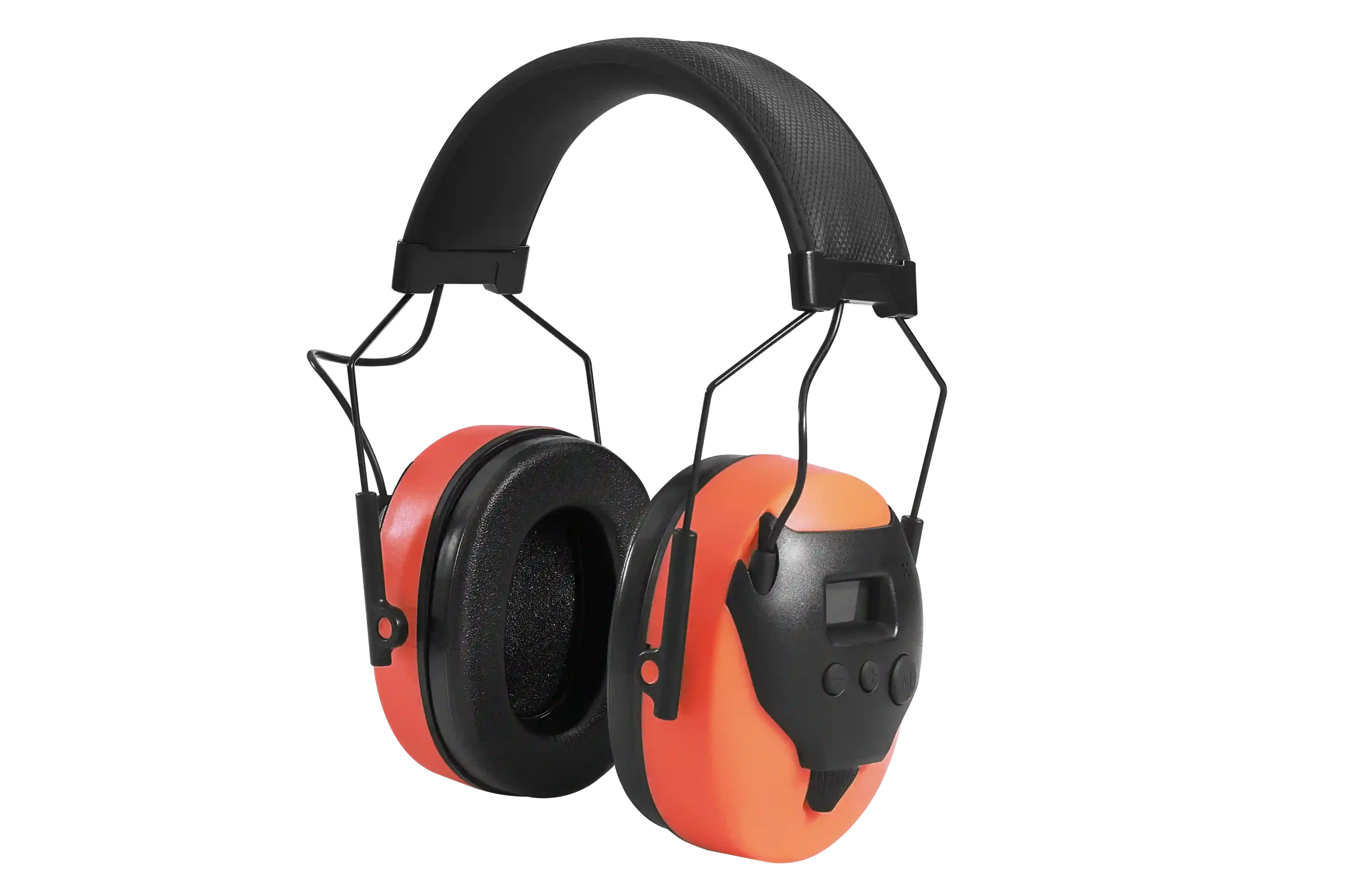
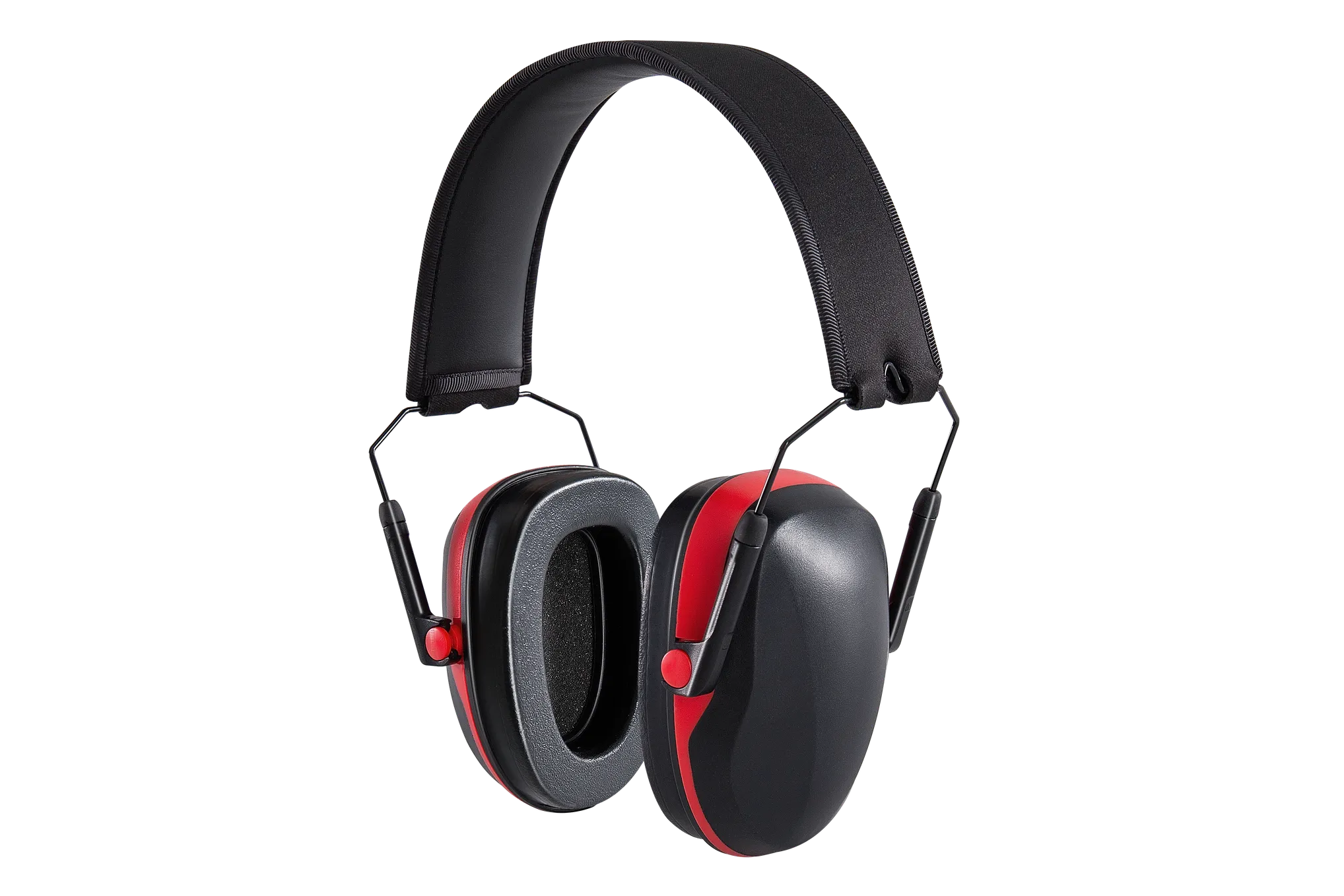
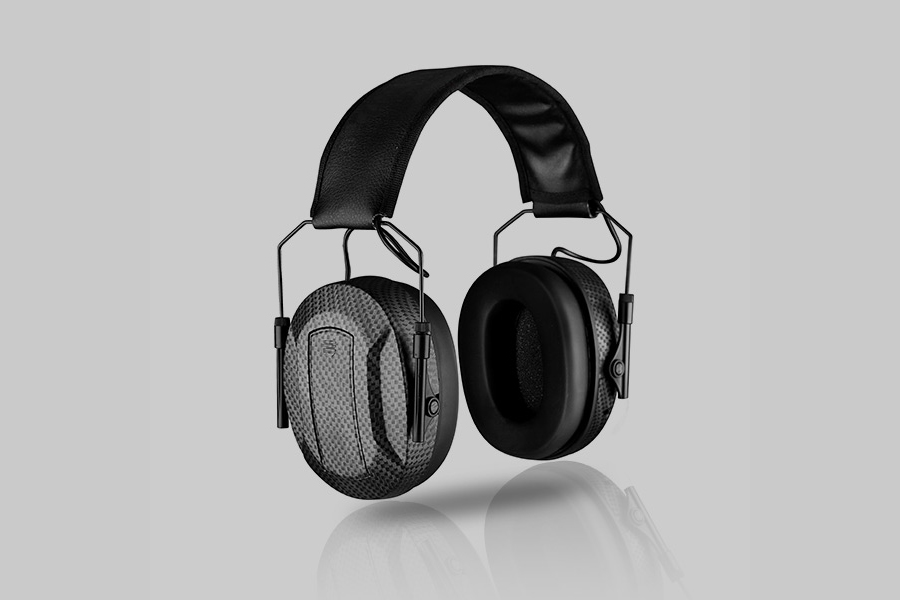
To thoroughly block this type of damage, the solution is to choose products that provide passive and active protection with an ANSI NRR of 25dB–30dB, such as the LETO I A-2 model.
These high-spec professional products typically use:
higher-density sound insulation materials
thickened ABS shells
multi-layer acoustic damping structures
These design features help absorb and block harmful sound waves more effectively.
Seal Failure: Sound Leakage Risks from Tactical Goggles and Head Movements
Even if your earmuffs claim a very high NRR value, they may still fail in real use because of seal failure during wear.
At the shooting range, users must wear safety glasses and frequently turn their heads to observe the environment. In these situations, ordinary earmuffs can easily develop gaps around the ear cushions, allowing sound to leak in and greatly reducing the actual noise reduction effect.
To address this industry pain point, earmuffs must be equipped with:
soft, wide ear pads
CS cooling gel ear pads
a double-ring design that fits the face more securely
This structure helps prevent sound leakage while improving wearing stability.
The special gel material can contour around the face and glasses frames more effectively, helping seal gaps while also reducing problems caused by inferior sponge pads, such as skin irritation, heat buildup, and summer discomfort.
Noise Reduction Reaction Delay: Failing to Block the Hearing Impact of the First Gunshot
For electronic noise-canceling earmuffs with ambient sound pickup functions, another major weakness is reaction delay.
Many shooters find that the pickup and compression system responds too slowly, allowing the first gunshot to strike the hearing system before protection fully activates. Because a gunshot explosion occurs within milliseconds, any delay in the circuit’s cutoff response may allow high-pressure noise to pass through the electronic defense and hit the eardrum directly.
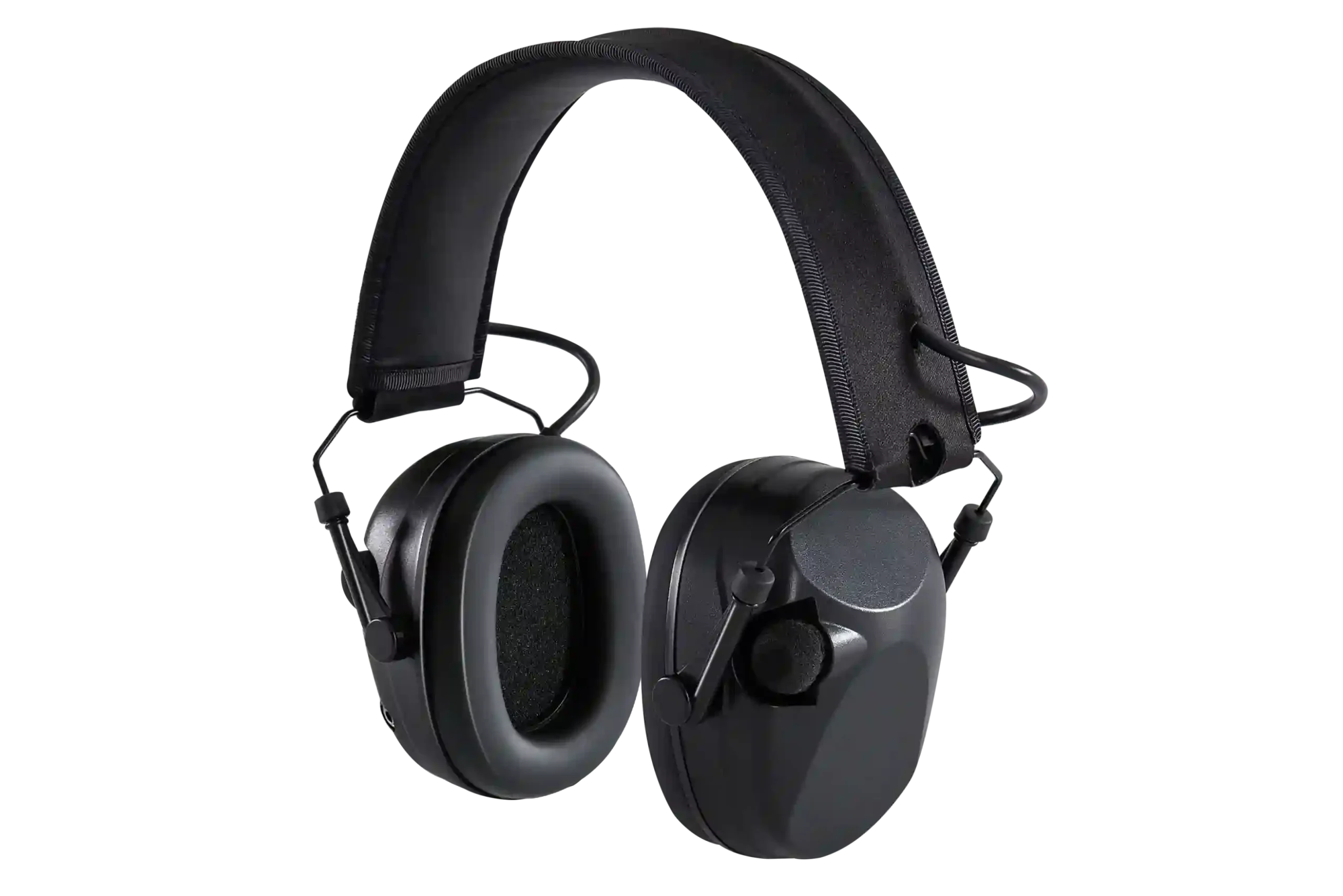
The professional-grade solution is Sound Activated Compression (SAC) technology, which offers a very fast reaction time of 0.01 to 0.02 seconds, allowing the device to cut off dangerous high-decibel noise almost instantly.
Only a highly capable electronics hearing protector manufacturer can compress the chipset’s response delay to such a demanding threshold, ensuring that shooters are protected from sudden gunshots while still being able to hear ambient commands clearly.
Electronic Floor Noise and Pickup Distortion: How to Achieve Pure Environmental Awareness
While solving the problem of large-caliber gunshot noise, the quality of ambient sound pickup is equally important for both safety and user experience in an indoor shooting range.
When the pickup amplification function is activated in inferior electronic earmuffs, the device may continuously generate:
harsh electrical noise
background hissing
electronic floor noise
white noise
In addition, the amplified environmental sound may feel mechanical, distorted, and very different from the real environment.
This not only creates frustration, but may also interfere with the user’s ability to hear instructor commands clearly.
To solve this problem, the earmuffs should use:
high-quality chips
Hi-Fi speakers
digital noise reduction technology
These components can help suppress unwanted noise while delivering clearer sound quality.
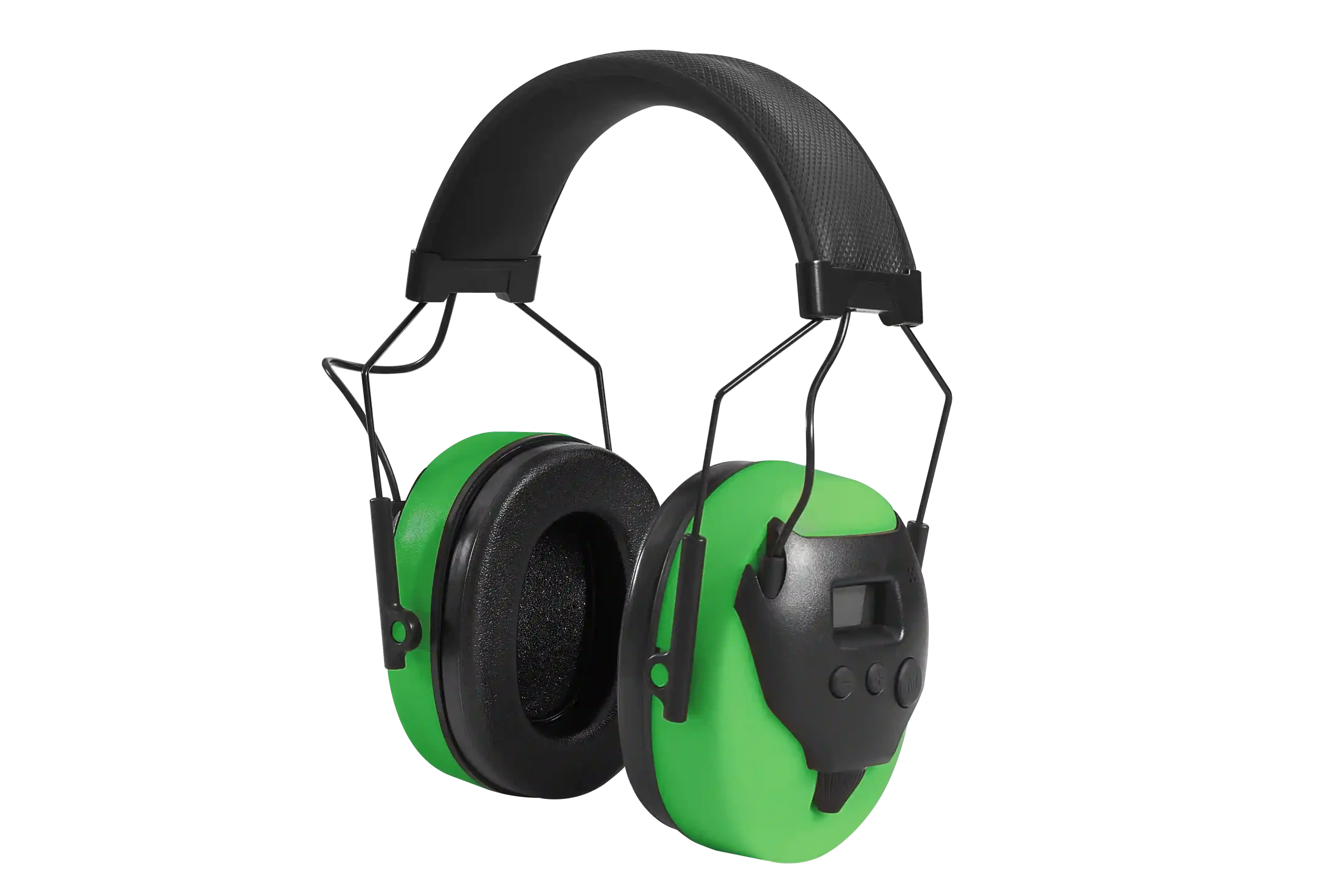
Advanced digital systems can also provide Natural Environment Enhancement (NEE), making amplified ambient sound closer to natural hearing. A top-tier bluetooth hearing protector factory will upgrade to high-quality integrated chips to effectively limit sudden noise and abnormal sound output exceeding 82dB, helping ensure safer auditory performance.
Conclusion
Choosing high-spec earmuffs and reliable suppliers is the ultimate key to reducing indoor range hearing damage.
.webp)
.webp)
 English
  Spanish
  Portuguese
  German
  French