
“I’m a carpenter using a circular saw for 4 hours a day; should I choose electronic earmuffs or standard foam plugs for better communication with my team?”
Struggling to hear your crew over a screeching circular saw leads to costly mistakes or permanent hearing loss. Stop sacrificing safety for communication; there is a smarter way to stay protected.
For a carpenter using a circular saw for four hours daily, electronic earmuffs are the superior choice over foam plugs. While foam plugs offer high NRR, electronic earmuffs use active compression to block harmful tool noise while amplifying human speech, ensuring you can communicate clearly with your team without ever removing your hearing protection in a dangerous work zone.
Dive deeper into the technical differences to understand why the right gear is an investment in your long-term career.
What’s an electronics earmuff?
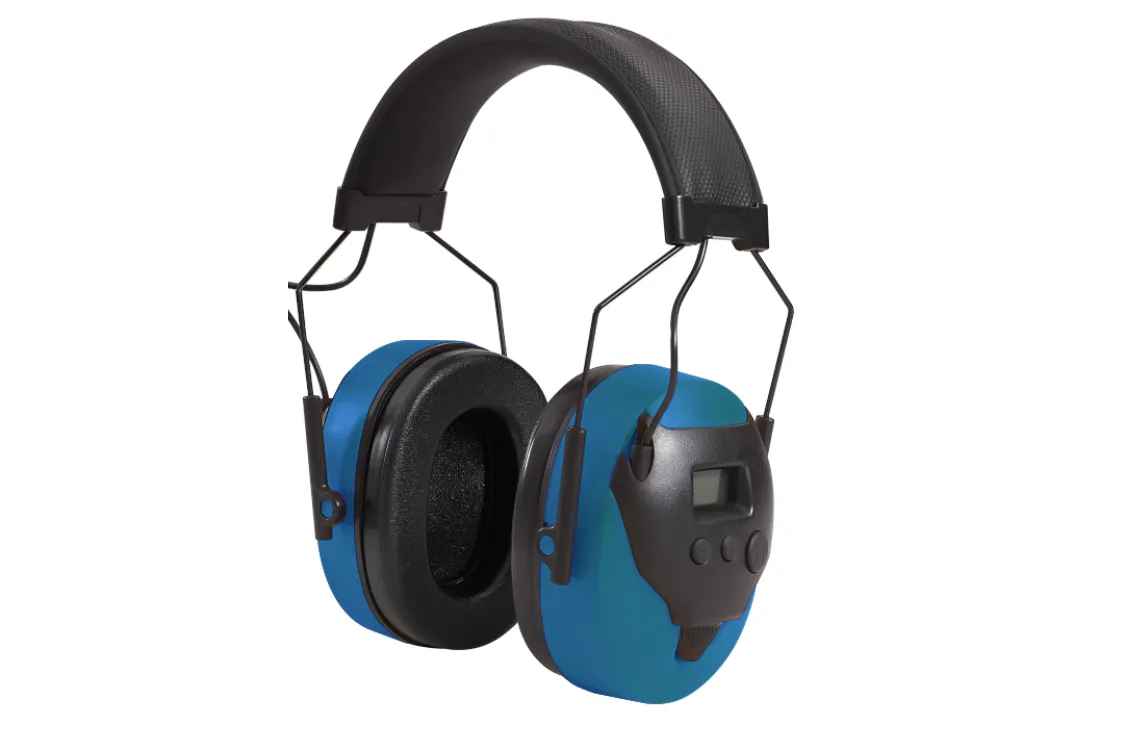
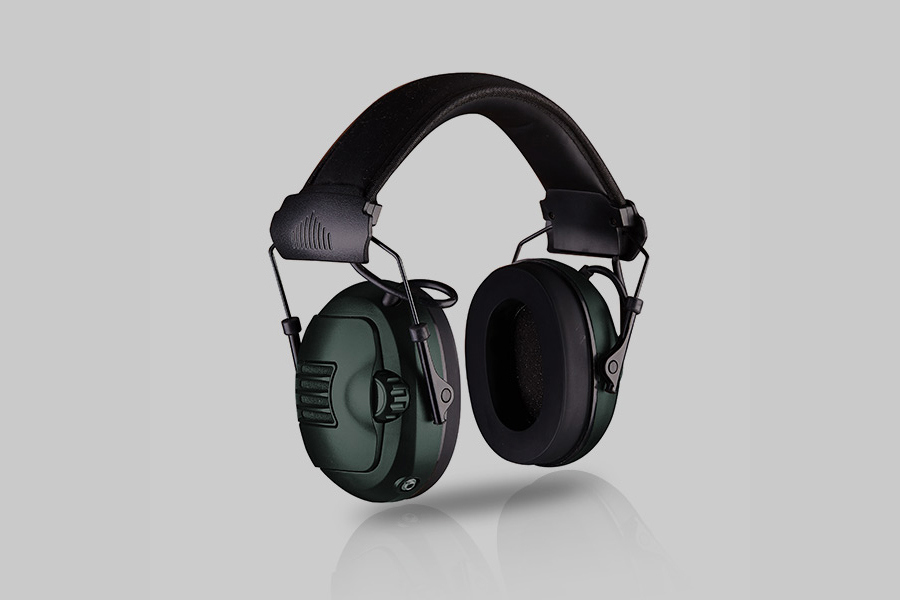
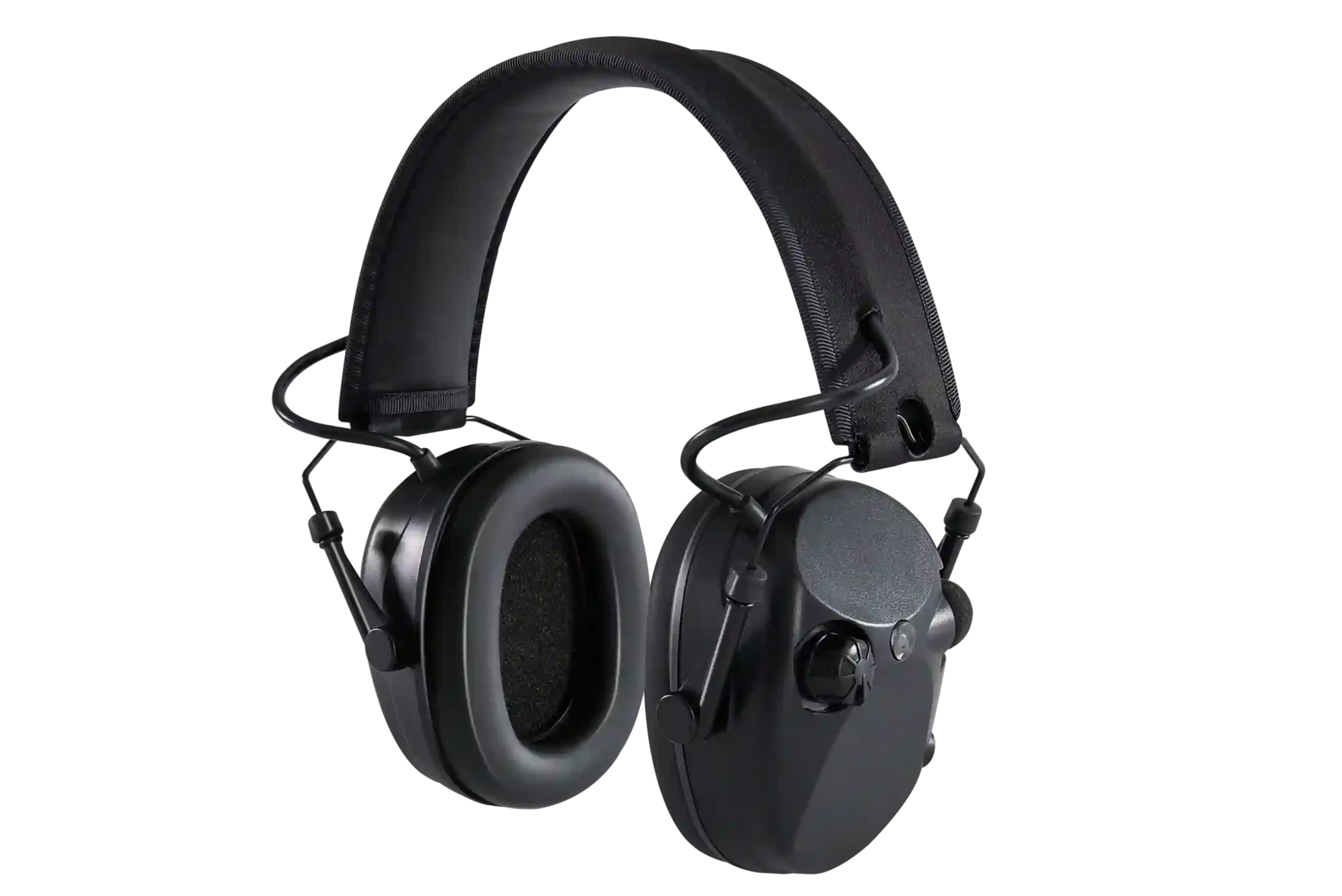
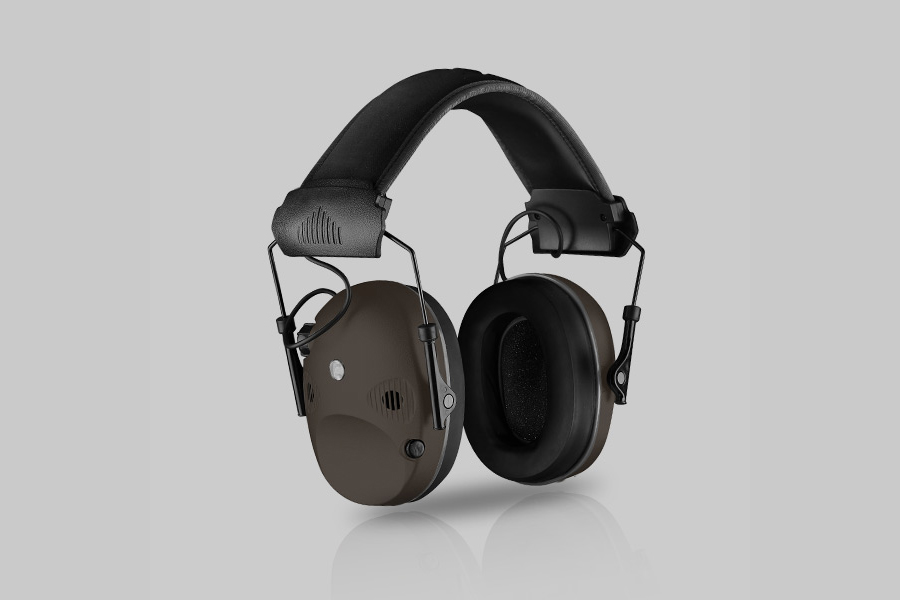
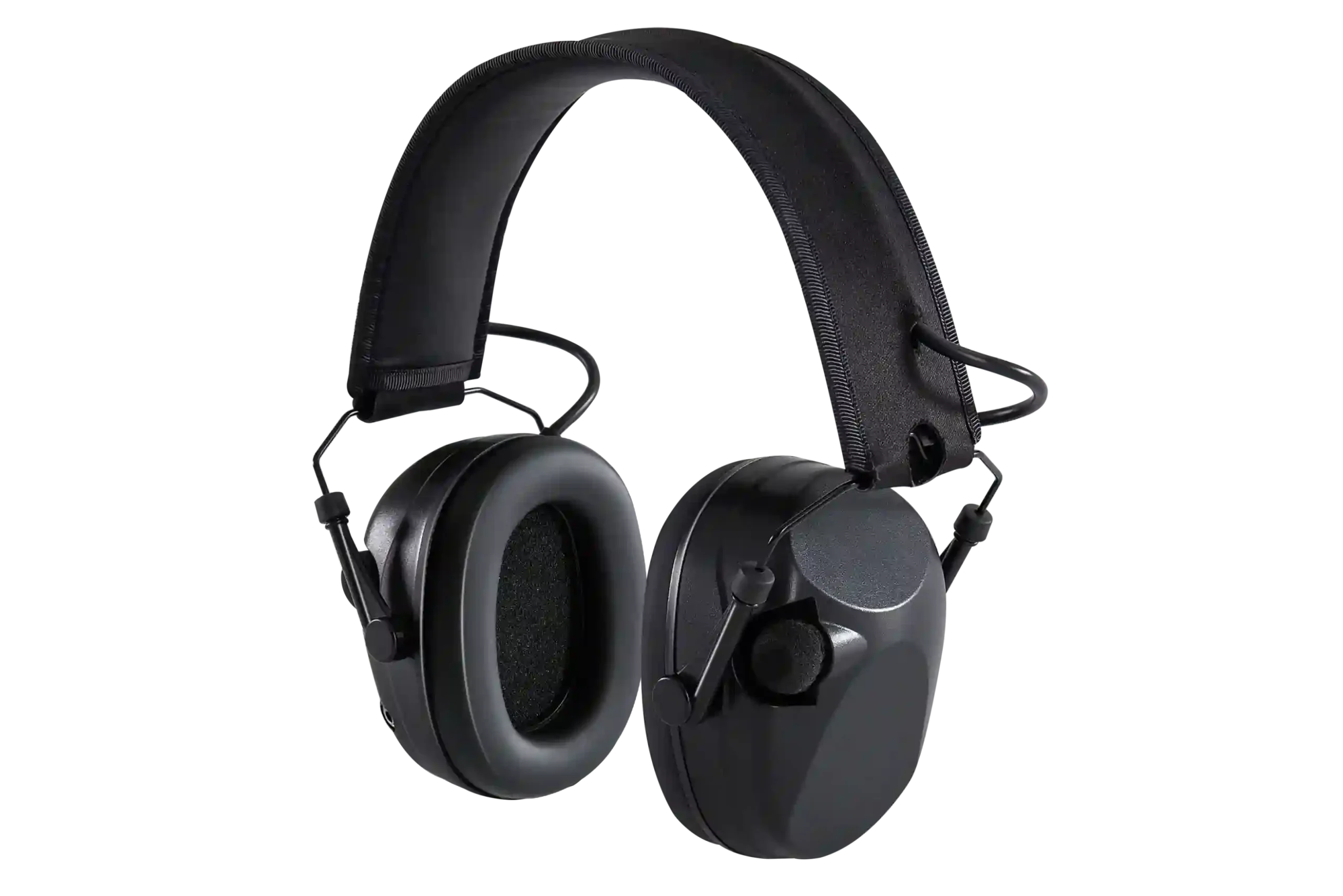
An electronic earmuff is a sophisticated piece of personal protective equipment (PPE) that combines traditional passive insulation with advanced internal circuitry. Unlike standard plastic shells, these devices feature external microphones that “listen” to the environment. When ambient noise levels are safe, the internal speakers amplify low-level sounds, such as a co-worker asking for a measurement or a warning shout. However, the moment your circular saw kicks in and hits a specific decibel threshold (usually 82dB or 85dB), the electronic circuit instantly compresses or “clips” the sound transmission. This dual-functionality allows you to maintain situational awareness while your ears remain shielded from high-impulse or continuous mechanical noise. As a professional, sourcing these from a reputable electronics earmuff factory ensures that the microphones and sound-processing chips are calibrated for industrial-grade performance rather than just consumer hobbyist use.
What’s a foam plug?
A foam plug is the most common form of passive hearing protection, typically made from expandable slow-recovery foam like polyvinyl chloride (PVC) or polyurethane (PU). To use them, you must roll the plug into a tight cylinder, insert it deep into the ear canal, and hold it until it expands to form an airtight seal. They are highly effective at blocking a wide range of frequencies and often boast high Noise Reduction Ratings (NRR). Because they are disposable and inexpensive, they are a staple on construction sites. However, their primary drawback for a carpenter is “occlusion”—they block all sound indiscriminately. This means that while your circular saw is silenced, so is your team’s communication. This often leads to the dangerous habit of “half-inserting” the plugs or removing them entirely to talk, leaving your hearing vulnerable during the exact moments you need protection most.
What’s the difference between an earmuff and a foam plug?
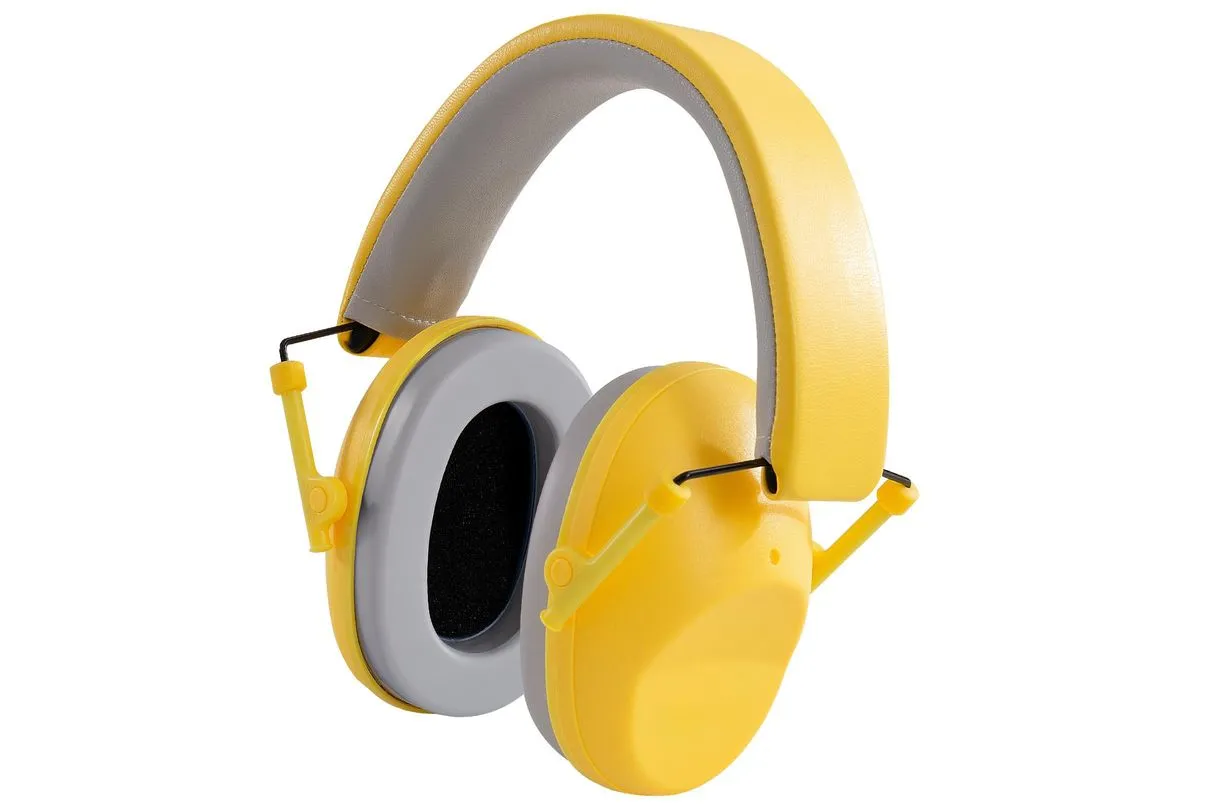
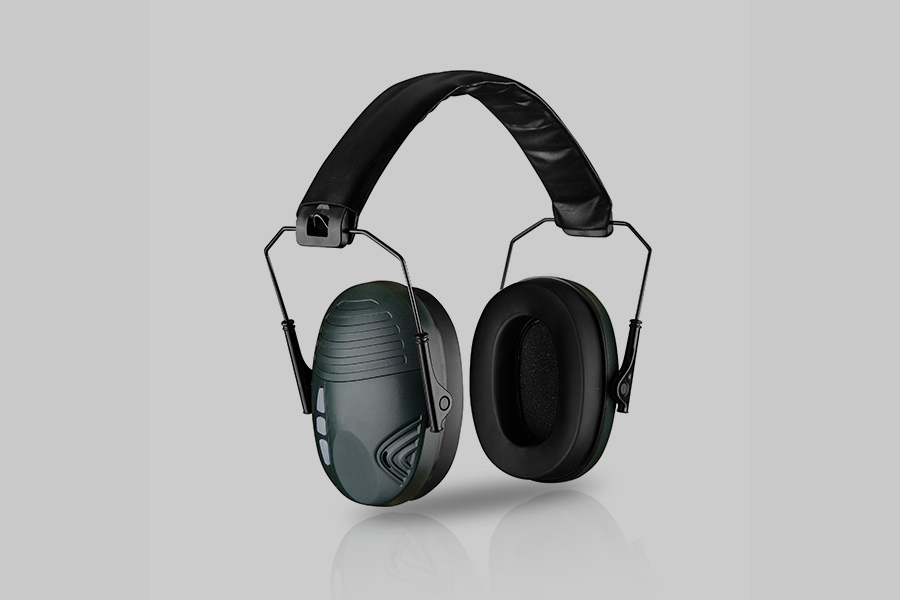
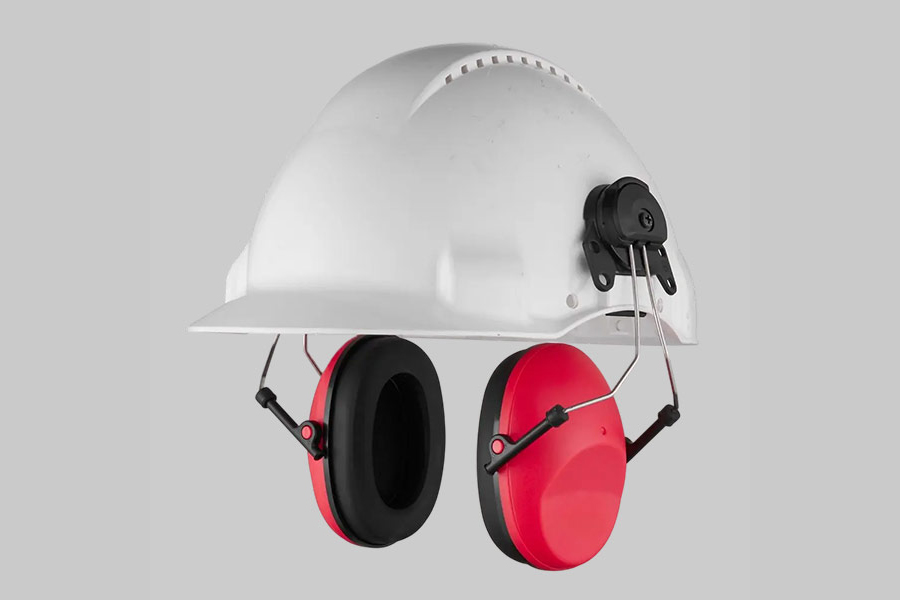
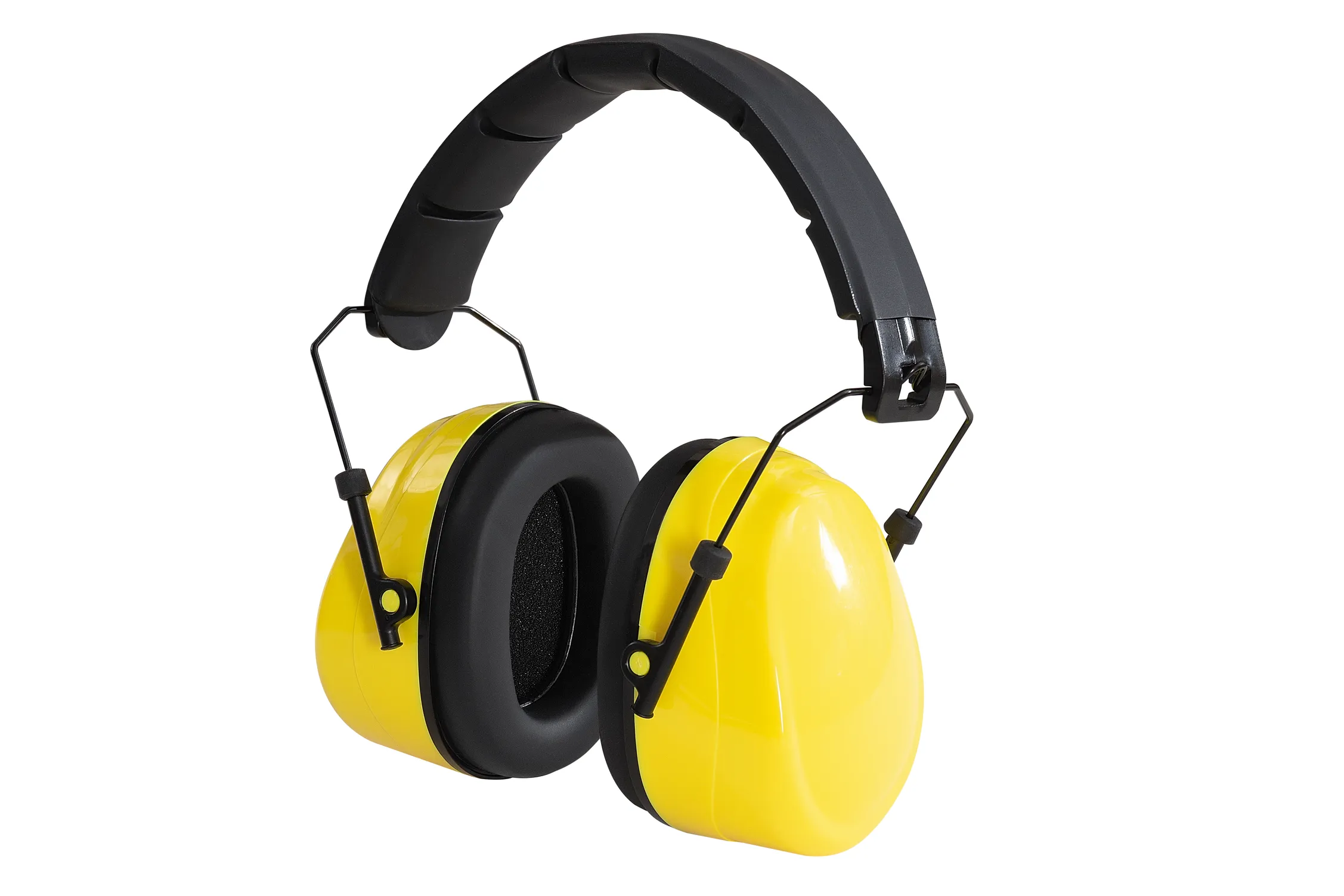
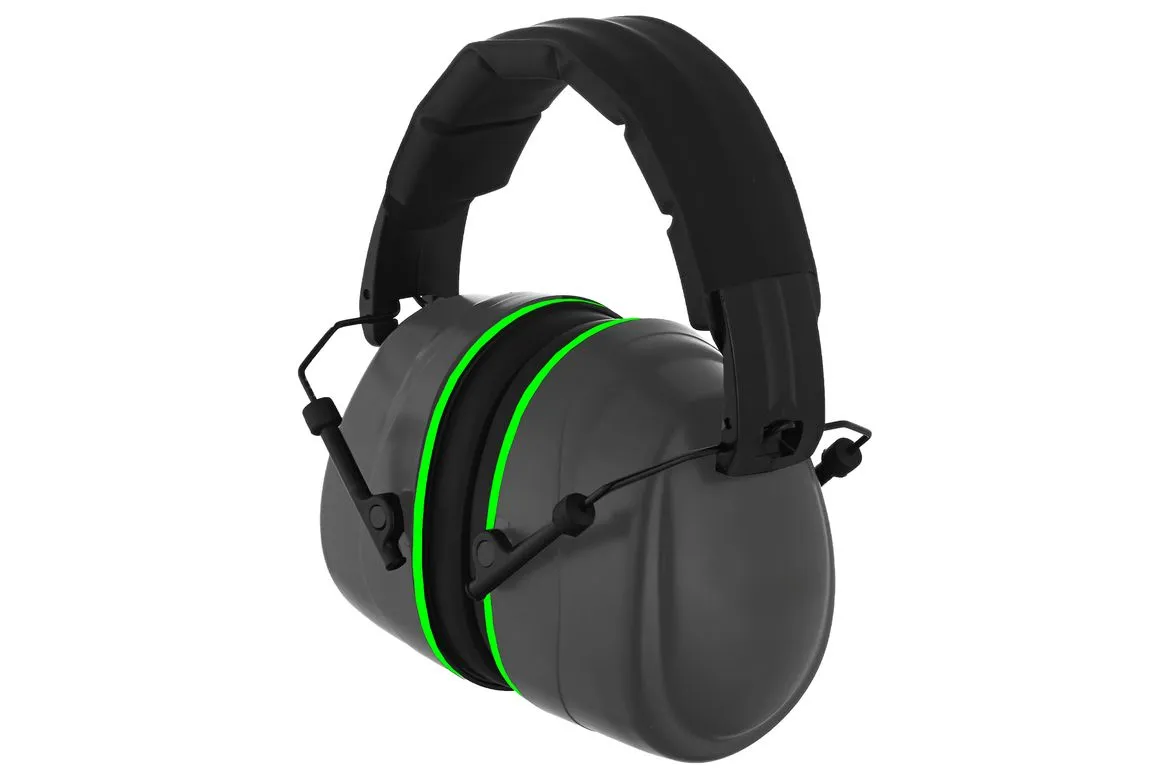
The fundamental difference lies in how they interact with your anatomy and your environment. Earmuffs are “over-the-ear” (supra-aural or circumaural) protectors that use large cups filled with acoustic foam and liquid or foam ear cushions to create a seal around the outer ear. They are easy to put on and take off, making them ideal for intermittent saw use. Foam plugs, conversely, are “in-ear” (aural) protectors. While foam plugs often provide a higher NRR because they seal the canal directly, they require proper insertion technique to be effective; if not inserted deeply enough, their protective value drops to nearly zero. Furthermore, earmuffs are more visible, allowing safety officers to easily verify compliance, whereas foam plugs are discreet but can cause ear canal irritation or wax buildup during long 4-hour shifts in dusty woodworking environments.
What’s the difference between a passive earmuff and an electronics earmuff?
A passive earmuff relies solely on its physical mass and the density of its internal foam to dampen sound waves. It acts as a wall; it doesn’t “know” if the sound is a bird chirping or a table saw. If you buy a high-NRR passive earmuff from a standard earmuff supplier, it will effectively muffle everything, making conversation feel like you are underwater. An electronic earmuff, however, is dynamic. It utilizes “Active Sound Compression” or “Active Noise Cancellation” technology. This technology allows the device to distinguish between different noise levels. It provides a “transparent” hearing experience where you can hear the “click” of a tape measure or the instructions of a foreman perfectly, but the “screech” of the circular saw is electronically suppressed the millisecond it begins. This makes electronic versions a much safer choice for collaborative environments like busy framing sites.
What’s the benefit of ONLYELE electronics hearing protector?
Choosing the ONLYELE electronics hearing protector provides professional carpenters with a significant edge in both safety and productivity. As a dedicated hearing protector manufacturer, ONLYELE focuses on the specific ergonomics required for long-shift comfort, utilizing “ultra-soft” ear cushions that don’t pinch your safety glasses. Our proprietary sound-processing chip features an industry-leading “attack time,” ensuring that the sudden roar of a circular saw is blocked instantly without the “lag” found in cheaper alternatives. Furthermore, ONLYELE protectors are designed with a slim-profile cup, which is crucial for carpenters who need to tilt their heads or get into tight spots without their earmuffs hitting a stud or a saw guard. By choosing a specialized earmuff supplier like ONLYELE, you are getting a ruggedized tool built for the dust and vibration of a real-world workshop, featuring superior battery life that lasts through a full work week.
Invest in ONLYELE electronic protection today to safeguard your hearing while staying perfectly synced with your construction team.
-scaled.webp)
 English
  Spanish
  Portuguese
  German
  French